
China Exploits U.S. AI Tech Amid Rising Tensions
China exploits U.S. AI technologies, raising security concerns. U.S. responds with enforcement actions and regulatory debates to protect digital sovereignty.
China Leverages U.S. AI Technologies Amid Escalating Tech Rivalry
U.S. policymakers and experts warn that China is exploiting American-developed AI technologies through data harvesting and covert smuggling, posing national security risks, as highlighted in a recent Washington Post opinion piece. Authorities have responded with enforcement actions, including dismantling smuggling networks, while ongoing debates focus on regulatory reforms to protect digital sovereignty.
Background on U.S.-China AI Tensions
The friction stems from China's strategic use of U.S. AI tools and data, enabling advancements in its own systems while circumventing export controls. A Washington Post opinion article argues that American companies' AI models, accessible via cloud services, are being fine-tuned with Chinese data to enhance Beijing's military and surveillance capabilities. This "boomerang effect" allows China to weaponize U.S. innovations against American interests, from influence operations to cyber threats.
Key context includes China's data sovereignty doctrine, which treats information as a national asset. Unlike the U.S., where tech growth has outpaced regulation—fostering "surveillance capitalism"—China bans platforms like Facebook and Twitter but permits apps like TikTok to collect vast U.S. user data. In 2020, the Trump administration pushed for TikTok's divestment, citing security risks, but China blocked it, viewing algorithms as strategic exports. Bans persist, with a new one pending since January 2025.
A Library of Congress analysis by scholar Aynne Kokas underscores how China "traffics" data, amassing datasets crucial for AI training. U.S. consumers remain vulnerable: a California class-action suit accused TikTok of sharing biometric data, settled for $92 million, highlighting risks like deepfakes and misinformation.
Recent U.S. Enforcement Actions Against Smuggling
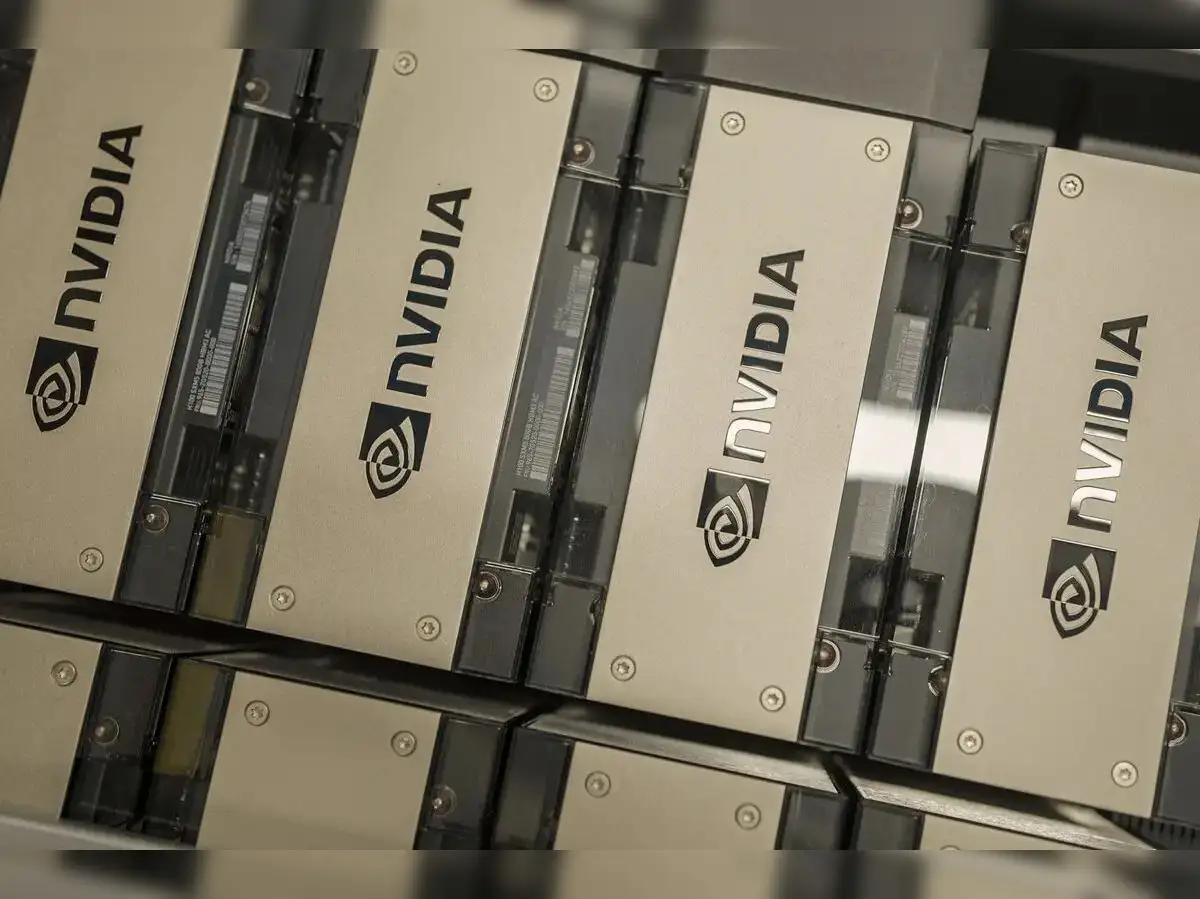
U.S. authorities have intensified crackdowns on illicit AI tech transfers. The Department of Justice announced the shutdown of a major China-linked AI technology smuggling network, involving illegal exports of advanced chips and software critical for AI development. This operation targeted entities evading Bureau of Industry and Security (BIS) restrictions, which tightened after 2022 to curb China's access to NVIDIA GPUs and similar hardware.
Related cases reveal broader patterns: indictments of individuals smuggling bomb components and funding terrorist groups, some with China ties, though primarily focused on AI hardware. These efforts align with the CHIPS and Science Act, allocating billions to domestic semiconductor production while imposing export bans. In 2025, enforcement ramped up as China sought workarounds via third countries like Malaysia and Singapore.
Key Features of China's AI Strategy
China's approach integrates AI into sectors like manufacturing, agriculture, and defense, fueled by pilfered U.S. data and models. Platforms like TikTok provide massive datasets—billions of user interactions—for training large language models rivaling GPT series. Beijing's regulations mandate data localization, giving the state unprecedented control.
In contrast, U.S. firms like OpenAI and Google offer APIs that Chinese developers access before restrictions. A 2025 YouTube analysis notes AI's commercialization: U.S. big tech poured billions into infrastructure, while China embedded AI in real-world applications, from smart cities to autonomous drones.
Statistics highlight the gap: China filed 38,000 AI patents in 2023 (vs. U.S. 15,000), per Stanford's AI Index, leveraging volume over quality. Vulnerabilities extend to agriculture—Chinese access to U.S. crop data could disrupt supply chains—and space tech, where economic interdependence amplifies risks.
Proposed Solutions and Policy Recommendations
The Washington Post op-ed outlines countermeasures: enforce AI export controls rigorously, mandate data residency for U.S. users of foreign apps, and incentivize domestic data protections. Authors urge banning Chinese AI firms from U.S. clouds and subsidizing American alternatives.
Broader proposals include a "data firewall" mirroring China's model, per Kokas, prioritizing sovereignty over unfettered growth. Legislation like the RESTRICT Act aims to empower the president on app bans, while the EU's AI Act offers a regulatory blueprint. Experts advocate public-private partnerships to audit data flows, potentially saving billions in economic sabotage.
Industry Impact and Global Implications
This rivalry reshapes global tech. U.S. firms face revenue hits from bans—TikTok's valuation dipped post-2020—while China accelerates self-reliance via "Made in China 2025." Allies like the EU and Japan echo concerns, forming the U.S.-led Chip 4 alliance.
Implications are profound: unchecked data trafficking erodes U.S. digital sovereignty, enabling AI-driven disinformation or infrastructure attacks. Yet, mutual dependencies persist—U.S. agrotech relies on Chinese components. A balanced path involves multilateral norms, as both nations exploit data; disentangling could spur innovation but risks a bifurcated internet.
In 2025, AI's shift "from lab to marketplace" intensified the race, with China gaining ground through asymmetric tactics. U.S. leadership demands swift, unified action to reclaim the advantage.


