
Chinese Companies Capture Majority of Humanoid Robotics Showcase at CES 2026
Chinese firms have secured 21 of 38 humanoid robotics exhibition spots at CES 2026, signaling a major shift in global robotics innovation leadership. This dominance reflects accelerating R&D investments and manufacturing capabilities in the world's second-largest economy.
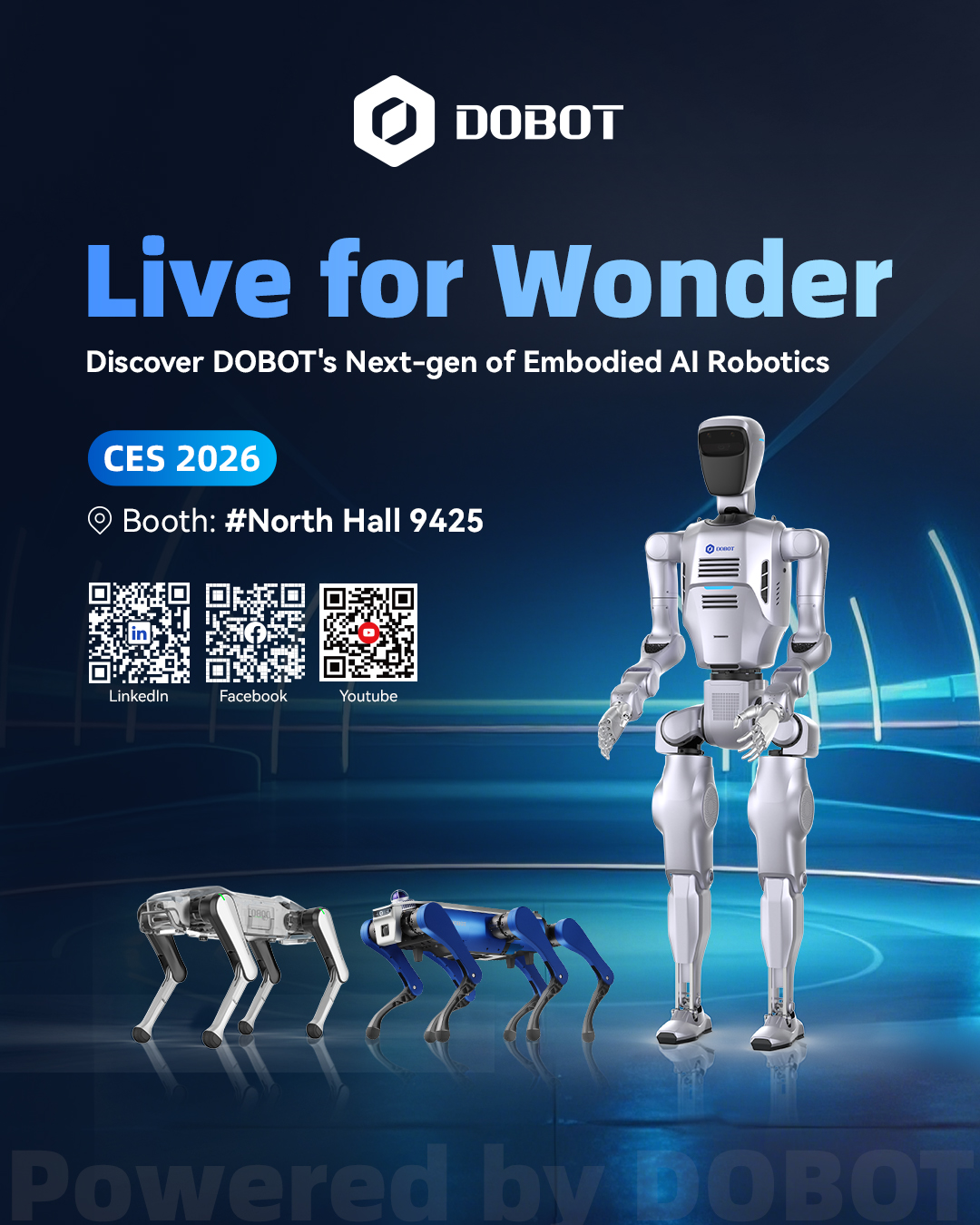
Chinese Firms Dominate Humanoid Robotics at CES 2026
Chinese companies have secured 21 out of 38 dedicated humanoid robotics exhibition spots at the Consumer Electronics Show (CES) 2026, marking a significant milestone in the global robotics landscape. This commanding presence underscores the rapid advancement of Chinese manufacturers in one of technology's most competitive frontiers and signals a potential realignment in international innovation leadership.
Market Share and Strategic Positioning
The allocation of exhibition space at CES—the world's largest technology trade show—serves as a barometer for industry momentum. With Chinese firms claiming more than half of the humanoid robotics showcase slots, the data reflects substantial progress in domestic R&D capabilities and manufacturing scale. This concentration demonstrates that Chinese roboticists are no longer following international benchmarks but actively setting them.
The 21-spot allocation represents a strategic validation of Chinese companies' technical maturity in humanoid design, artificial intelligence integration, and production efficiency. Industry observers note that this presence extends beyond mere quantity; many of these firms showcase advanced bipedal locomotion, dexterous manipulation systems, and real-world deployment capabilities.
Key Players and Innovation Areas
Chinese robotics manufacturers exhibiting at CES 2026 span multiple segments:
- Industrial and collaborative robots designed for manufacturing environments
- Service-oriented humanoids targeting hospitality, healthcare, and logistics sectors
- Research-grade platforms advancing fundamental robotics science
- Consumer-focused prototypes exploring domestic and commercial applications
Companies like DOBOT and other established Chinese roboticists are leveraging CES as a platform to demonstrate technical achievements and attract international partnerships. The breadth of applications reflects a mature ecosystem rather than experimental ventures.
Competitive Implications
The dominance of Chinese firms at CES 2026 raises important questions about the global competitive landscape. Traditional robotics powerhouses in Japan, Europe, and North America maintain significant technological depth, yet the sheer volume of Chinese entries suggests accelerating innovation cycles and aggressive commercialization timelines.
Several factors contribute to this shift:
- Government support: Sustained funding through national robotics initiatives and industrial policy
- Manufacturing infrastructure: Established supply chains and production capabilities
- Talent concentration: Growing pools of roboticists and AI engineers
- Market scale: Large domestic markets enabling rapid iteration and deployment
Technical Advancement Indicators
The quality of humanoid robotics on display at CES 2026 reflects genuine technical progress rather than incremental improvements. Chinese manufacturers are demonstrating:
- Improved balance and locomotion algorithms
- Enhanced gripper dexterity and force control
- Better integration of vision and tactile sensing
- Longer operational endurance and battery efficiency
These advances suggest that Chinese roboticists have moved beyond early-stage development into production-ready systems capable of real-world deployment.
Global Market Outlook
The CES 2026 humanoid robotics showcase provides a snapshot of near-term market direction. With Chinese firms occupying more than half the dedicated exhibition space, international buyers, investors, and technology partners are increasingly evaluating Chinese solutions as primary options rather than alternatives.
This shift does not diminish competition from established players but reflects a maturing global market where multiple regional innovation hubs contribute simultaneously. The humanoid robotics sector is expected to grow substantially over the next decade, and CES 2026 suggests that Chinese manufacturers will capture significant market share in this expansion.
Key Sources
- CES 2026 Official Exhibition Catalog and Robotics Showcase Allocations
- Industry analysis of Chinese robotics manufacturer participation and product demonstrations
- DOBOT and affiliated companies' CES 2026 product announcements


