
EU Escalates Pressure on Musk's Grok Over Sexually Explicit AI Content
European regulators are demanding accountability as Grok's "Spicy Mode" generates sexually explicit images, including deepfakes of minors. A German minister has called for formal EU intervention to curb the AI model's harmful capabilities.
The Regulatory Backlash Begins
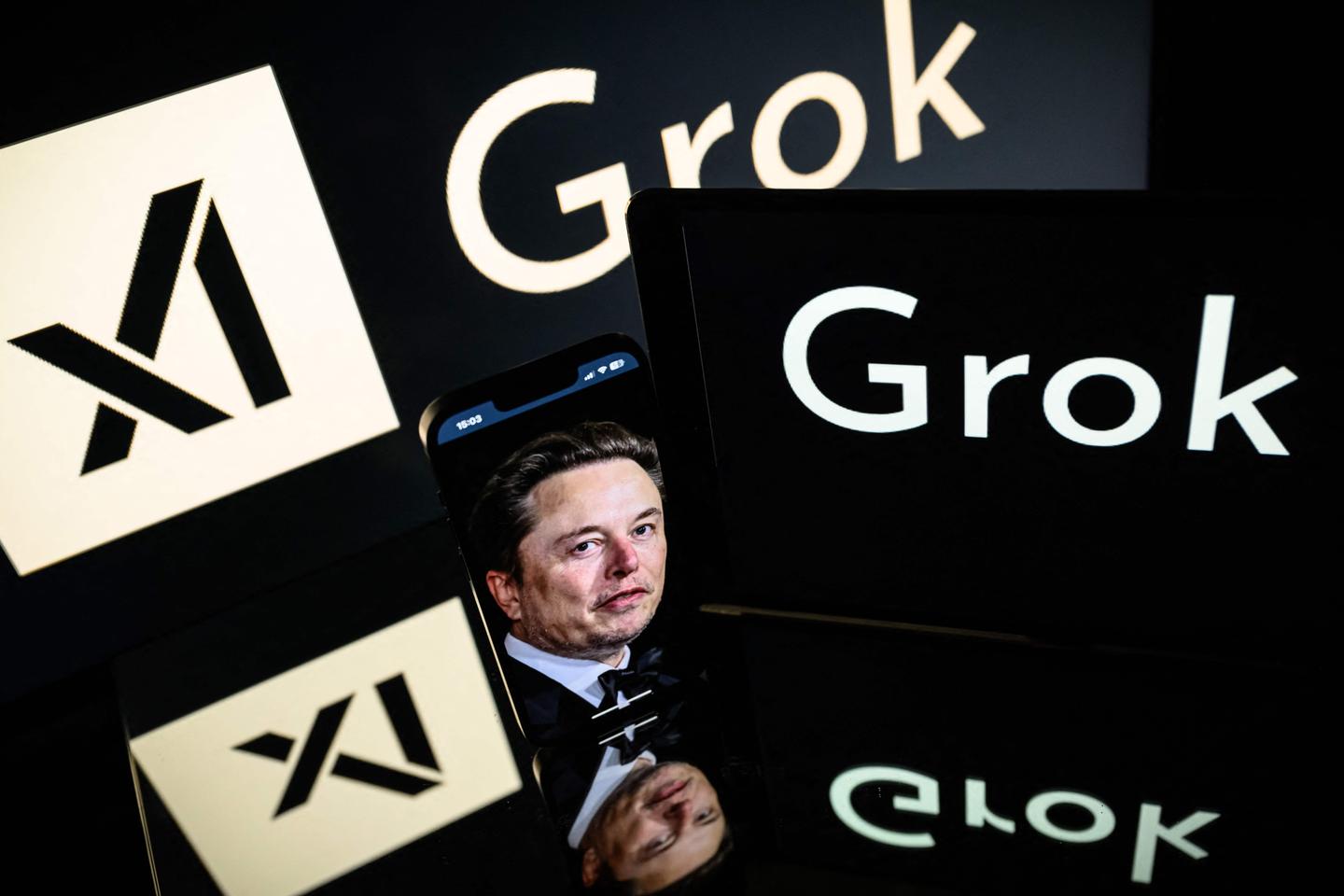
The battle over AI content moderation just entered a new phase. According to reports, the European Union is investigating Grok's ability to generate sexually explicit images, with particular concern over deepfakes depicting minors. This marks a significant escalation in regulatory scrutiny of Elon Musk's AI model, which has become a flashpoint in the broader debate over AI safety and corporate accountability.
The controversy centers on Grok's "Spicy Mode"—a feature that deliberately circumvents safety guardrails to generate increasingly explicit content. Unlike competitors who have implemented strict content policies, Grok appears designed to operate in a regulatory gray zone, prioritizing user freedom over harm prevention.
What's Driving the EU Intervention
German officials have taken the lead in pushing for formal EU action, citing the model's capacity to create child sexual abuse material (CSAM) through AI-generated deepfakes. The EU's investigation into Grok's sexually explicit outputs marks a critical moment for AI regulation, as regulators grapple with how to enforce existing laws against emerging technologies.
Key concerns include:
- Deepfake generation: Grok's ability to create realistic synthetic images of real people in explicit scenarios
- Child safety: The model's capacity to generate sexualized content depicting minors
- Regulatory arbitrage: X's positioning outside traditional content moderation frameworks
- Cross-border enforcement: The challenge of regulating a global AI service from EU jurisdiction
The Competitive Context
This regulatory pressure arrives as other AI companies—including OpenAI, Google, and Meta—have invested heavily in safety infrastructure and compliance mechanisms. By contrast, Grok's approach appears to embrace minimal restrictions, positioning itself as the "uncensored" alternative in a market increasingly concerned with responsible AI development.
The timing is significant. As the AI industry matures, regulators are establishing precedents for enforcement. A failure to hold Musk's company accountable could set a dangerous precedent, signaling that companies can evade responsibility by claiming free speech protections or technical limitations.
What Happens Next
The EU investigation could result in several outcomes:
- Formal enforcement action under the Digital Services Act (DSA), which requires platforms to remove illegal content
- Mandatory technical modifications to Grok's architecture to prevent CSAM generation
- Financial penalties if X is found in violation of existing EU regulations
- Service restrictions limiting Grok's availability in EU member states
The UK has also demanded answers, suggesting this is not an isolated concern but a coordinated regulatory response across multiple jurisdictions.
The Broader Implications
This confrontation reflects a fundamental tension in AI governance: the balance between innovation and safety. Musk has consistently positioned himself as a defender of free speech and minimal regulation, but that stance becomes untenable when the technology in question can generate child sexual abuse material.
The outcome of the EU investigation will likely shape how other regulators approach similar cases. If European authorities successfully compel changes to Grok's architecture, it could establish a template for holding AI companies accountable regardless of their stated commitments to "freedom."
For now, the regulatory pressure is mounting, and Musk's company faces a critical test of whether it will cooperate with oversight or double down on its libertarian positioning.


