Europe's AI Dependency Crisis: Schmidt Warns of Chinese Dominance Without Bold Investment
Former Google CEO Eric Schmidt warns Europe faces a critical juncture: invest heavily in open-source AI infrastructure or risk becoming dependent on Chinese technology. The stakes have never been higher for European technological sovereignty.

The Competitive Reckoning
Europe stands at a technological crossroads. While the United States and China pour billions into artificial intelligence infrastructure, the continent risks ceding control of one of the most transformative technologies of our era. According to Eric Schmidt, the former Google CEO, Europe must make substantial investments in open-source AI or face dangerous dependency on Chinese technology. This isn't merely a competitive concern—it's a matter of technological sovereignty.
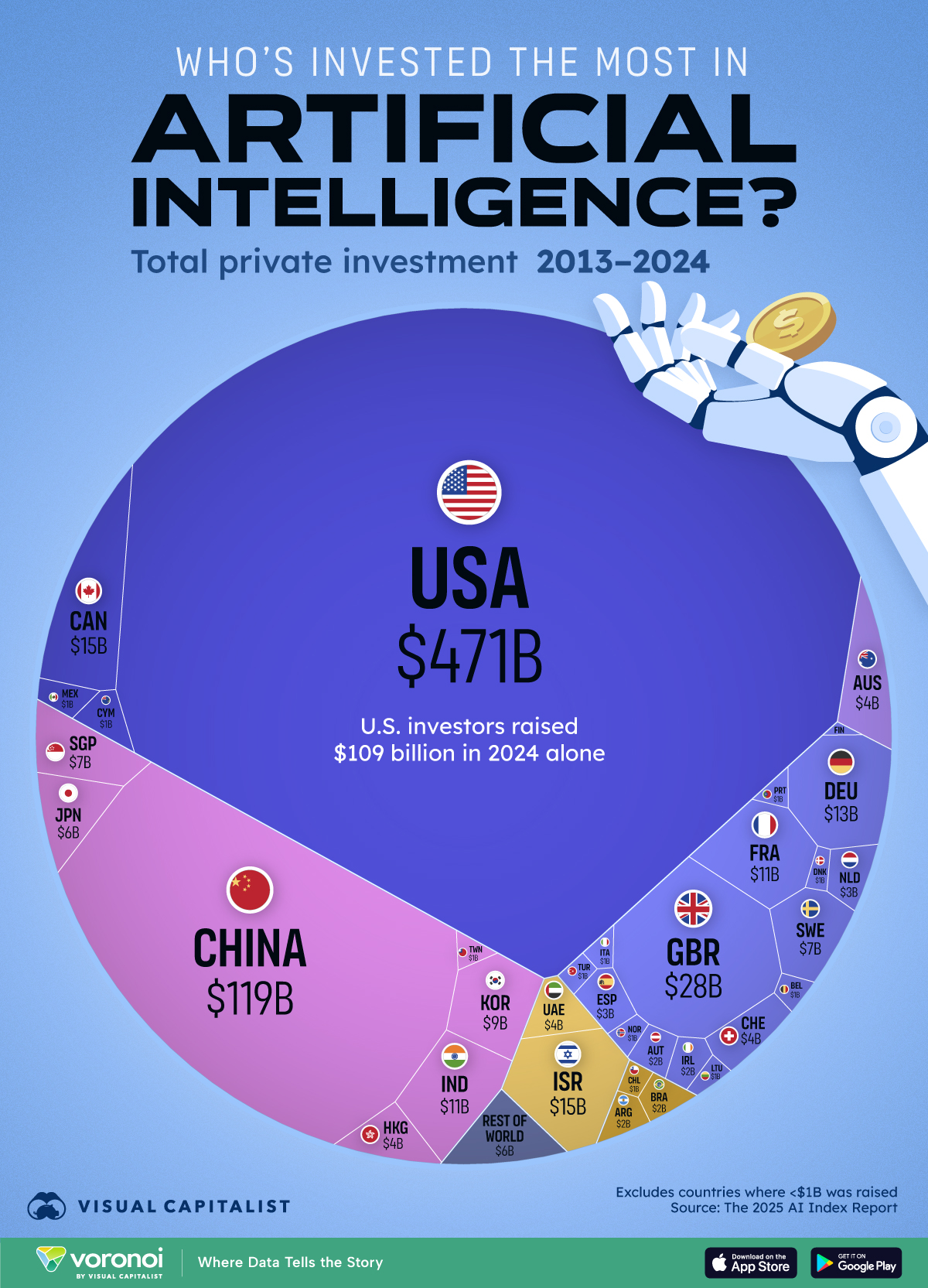
Schmidt's warning reflects a broader anxiety across the Atlantic about who controls the AI landscape. The stakes are particularly acute given that China and the US dominate global AI investment, leaving Europe in a precarious middle position.
The Investment Gap
The numbers tell a sobering story. Europe's AI funding, while substantial, lags significantly behind both American and Chinese commitments. This disparity isn't accidental—it reflects strategic choices and regulatory frameworks that have constrained European tech development for years.
Schmidt's core argument is straightforward: open-source AI development is Europe's pathway to independence. By investing in community-driven, transparent AI systems, European nations can:
- Build indigenous AI capabilities without relying on foreign vendors
- Maintain control over critical infrastructure and data flows
- Foster innovation ecosystems that compete globally
- Establish regulatory standards that reflect European values
The Open-Source Alternative
Schmidt's emphasis on open-source development offers a pragmatic solution to Europe's dilemma. Unlike proprietary systems controlled by single corporations, open-source AI creates distributed networks of developers and institutions that can collectively advance the technology while maintaining transparency and democratic oversight.
This approach aligns with European values around data protection and digital rights, but it requires sustained public and private investment. According to recent analysis, the tech trends of 2026 will increasingly favor those with robust AI infrastructure investments, making the timing critical.
The Broader Geopolitical Context
Schmidt's warning extends beyond economics. Control over AI technology translates directly into geopolitical influence. Nations that lead in AI development shape the rules governing everything from autonomous systems to data governance. Schmidt has expressed concerns about the strategic implications of allowing any single nation or region to dominate AI development.
For Europe, the choice is binary: invest now in building competitive AI capabilities, or accept a subordinate position in the global technology hierarchy. The latter scenario would mean European companies and governments relying on Chinese or American AI systems for critical functions—a dependency that carries both economic and security risks.
The Path Forward
European policymakers have begun responding to these warnings. Increased funding for AI research, support for open-source initiatives, and regulatory frameworks designed to foster innovation are emerging across the continent. However, the scale of investment remains insufficient to match the ambitions of competitors.
The window for action is narrowing. As the AI landscape continues to evolve, the competitive advantages of early movers compound, making Europe's current moment both urgent and consequential.
Schmidt's message is clear: Europe cannot afford complacency. The choice between technological independence and dependency will be determined by investment decisions made in the next few years. The question is whether European leaders will heed the warning.