
Figure AI Faces Whistleblower Lawsuit Over Alleged Misconduct and Ethical Violations
A whistleblower has filed a lawsuit against Figure AI, raising serious questions about ethical practices and potential misconduct within the robotics company. The legal action marks a significant challenge to the firm's operations and reputation as it scales its humanoid robot development.
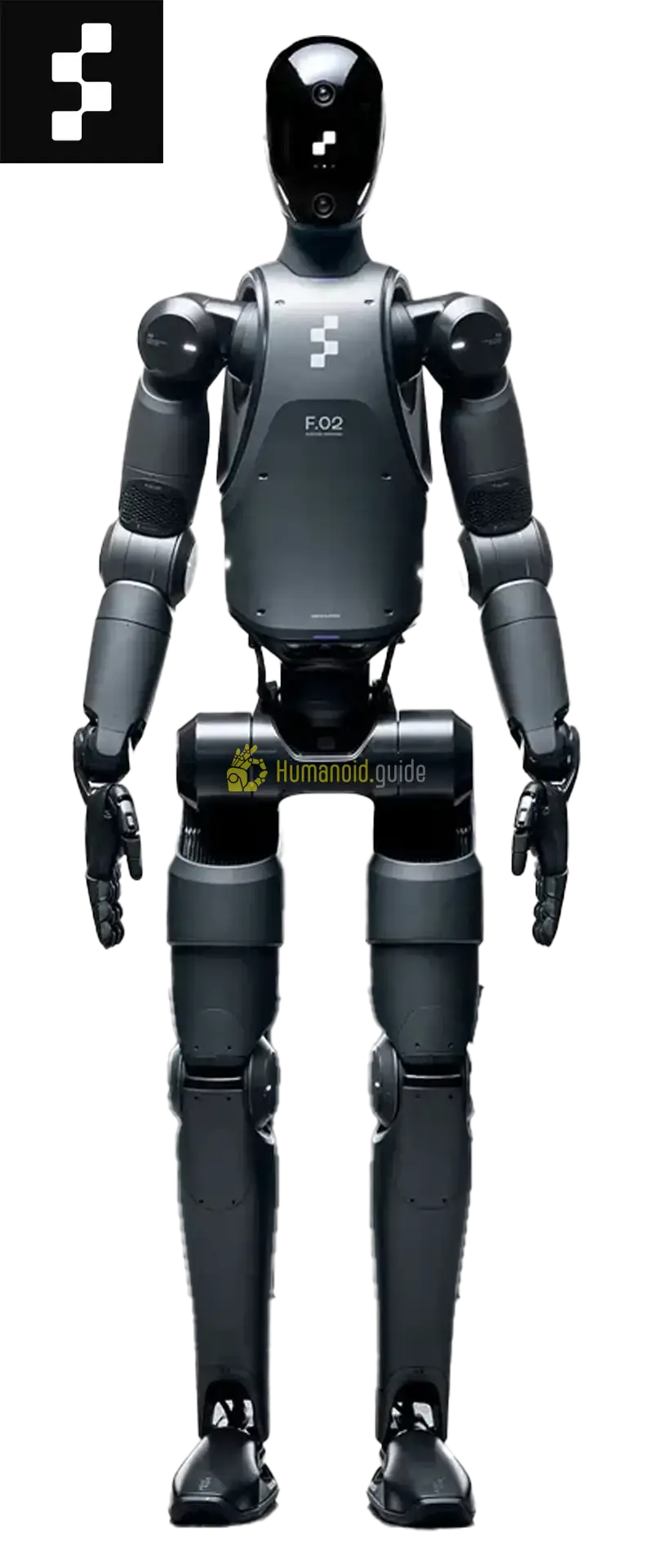
Whistleblower Lawsuit Targets Figure AI Operations
Figure AI, a prominent developer of humanoid robots, now faces legal scrutiny following a whistleblower lawsuit that alleges misconduct and ethical violations within the company. The filing represents a critical moment for the robotics firm, which has gained significant attention for its Figure 02 humanoid robot platform and substantial venture capital backing.
The lawsuit underscores growing concerns about corporate governance and ethical standards in the rapidly expanding robotics and artificial intelligence sector. As companies race to commercialize advanced robotics technology, questions about workplace practices, safety protocols, and compliance procedures have become increasingly important to stakeholders and regulators alike.
Key Allegations and Legal Framework
While specific details of the allegations remain subject to ongoing legal proceedings, whistleblower lawsuits typically address concerns such as:
- Workplace safety and compliance violations
- Misrepresentation of product capabilities or timelines
- Inadequate disclosure of technical or operational risks
- Internal governance and management failures
- Regulatory non-compliance in robotics development
The timing of this lawsuit is particularly significant given Figure AI's position in the competitive humanoid robotics market. The company has attracted substantial investment and partnerships as it develops and deploys its Figure 02 robot for industrial and commercial applications.
Industry Context and Implications
The robotics sector has experienced explosive growth in recent years, with companies like Figure AI, Boston Dynamics, and others pushing the boundaries of autonomous systems technology. However, this rapid expansion has occasionally outpaced the development of robust ethical frameworks and regulatory oversight.
Whistleblower protections, established under various federal and state statutes, provide legal remedies for employees who report violations of law or regulations. These protections are designed to encourage transparency and accountability within organizations, particularly in industries handling sensitive technologies.
The lawsuit against Figure AI may have broader implications for how robotics companies approach:
- Transparency in development timelines
- Safety testing and validation protocols
- Employee protections and reporting mechanisms
- Regulatory compliance in emerging technology sectors
Figure AI's Response and Next Steps
The company's response to these allegations will be closely monitored by investors, partners, and industry observers. How Figure AI addresses the lawsuit—through settlement, legal defense, or operational reforms—could establish precedents for other robotics firms facing similar scrutiny.
The case also highlights the importance of robust internal compliance programs, ethics training, and whistleblower protection policies within technology companies. As robotics and AI systems become increasingly integrated into critical infrastructure and workplace environments, stakeholder confidence in corporate governance becomes paramount.
Key Sources
- Perplexity AI Discover: Figure AI Whistleblower Lawsuit
The resolution of this lawsuit will likely influence how the robotics industry approaches regulatory compliance, employee protections, and corporate accountability moving forward. Stakeholders should monitor developments closely as the legal proceedings unfold.


