

Google Scans Three Times More Web Pages Than OpenAI, Cloudflare CEO Claims
Cloudflare's CEO highlights a critical data advantage: Google indexes vastly more web pages than OpenAI, exposing the infrastructure gap between search giants and AI companies competing for training data.
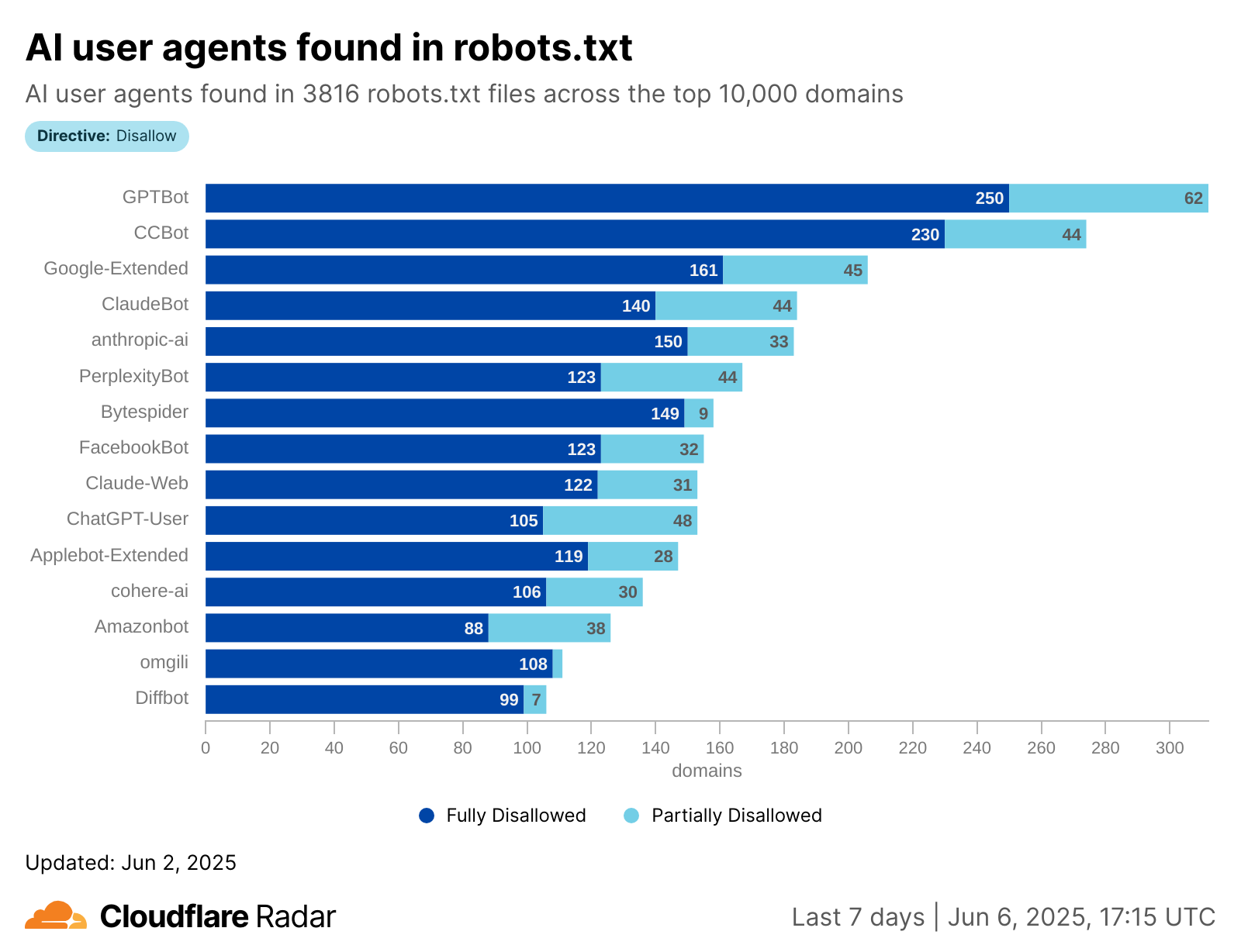
The Data Divide: Google's Indexing Dominance Over AI Competitors
The battle for web dominance just shifted into sharper focus. According to Cloudflare's CEO, Google indexes approximately three times more web pages than OpenAI—a staggering gap that underscores the infrastructure advantage traditional search engines maintain over emerging AI companies. This disparity isn't merely a technical metric; it represents a fundamental competitive moat in the race to build the most capable AI systems.
The claim surfaces at a critical moment when AI companies are increasingly dependent on web crawling to fuel their training pipelines. AI crawlers now consume 4.2% of all web traffic, a dramatic increase that reflects the insatiable appetite of companies like OpenAI, Google, and others for fresh data. Yet Google's three-to-one indexing advantage suggests the search giant has built institutional knowledge and infrastructure that newer AI players cannot easily replicate.
Why Scale Matters in the AI Arms Race
The indexing gap matters because data quality and quantity directly influence AI model performance. Companies training large language models need:
- Breadth: Access to diverse web content across industries, languages, and domains
- Depth: Historical data and updated information to maintain relevance
- Authority: Ability to prioritize high-quality sources over spam or low-value content
Google's decades-long investment in web crawling, ranking algorithms, and infrastructure gives it an inherent advantage. The search giant has spent years perfecting how to discover, index, and evaluate billions of web pages. OpenAI and other AI companies, by contrast, are relative newcomers to large-scale crawling operations.
The Irony: Google's Scraping Legacy
There's a notable irony in Google's current position. The company built its empire by scraping the web, yet now it's suing to stop others from doing the same. Google leveraged web crawling to dominate search, but as AI competitors attempt similar strategies, the search giant is using legal mechanisms to protect its data advantage.
This defensive posture reveals the stakes: whoever controls the most comprehensive, highest-quality training data likely wins the AI race. Google's indexing advantage isn't just a technical achievement—it's a strategic asset that competitors must overcome or circumvent.
Market Implications and Publisher Concerns
The crawling competition is already affecting the broader web ecosystem. Google search traffic to news publishers has dropped significantly, partly due to users shifting to AI chatbots for information. Publishers now face a dilemma: allow crawlers to index their content (feeding AI training) or block them and lose search visibility.
For OpenAI and other AI companies, the three-to-one indexing gap represents both a challenge and an opportunity. The challenge is clear—building comparable infrastructure takes time and resources. The opportunity lies in developing more efficient crawling strategies, negotiating direct content partnerships, or focusing on specialized domains where they can achieve parity with Google.
What's Next
The Cloudflare CEO's assertion highlights a fundamental truth: in the AI era, data infrastructure is destiny. Google's indexing advantage is real, measurable, and defensible—at least for now. But as AI companies mature and invest in their own crawling capabilities, this gap may narrow. The question isn't whether competitors will eventually catch up, but whether Google's legal and technical moats can hold long enough to cement its position in the AI-powered future.


