
JFrog Introduces Shadow AI Detection to Secure Software Development Pipelines
JFrog has implemented new detection capabilities to identify unauthorized AI tool usage in software development workflows, addressing growing security concerns around shadow AI adoption in enterprise environments.
JFrog Introduces Shadow AI Detection to Secure Software Development Pipelines
JFrog has implemented new detection capabilities to identify unauthorized AI tool usage in software development workflows, addressing growing security concerns around shadow AI adoption in enterprise environments. The move reflects broader industry recognition that unvetted AI tools pose significant risks to software supply chain integrity and organizational security posture.
The Shadow AI Challenge
Shadow AI—the use of AI tools and services without formal approval or oversight—has emerged as a critical vulnerability in modern development organizations. Developers increasingly leverage AI coding assistants, code generation tools, and other AI-powered services to accelerate development cycles. However, when these tools operate outside established governance frameworks, they create blind spots that can introduce security risks, compliance violations, and intellectual property concerns.
The problem extends beyond simple policy violations. Unapproved AI tools may:
- Process sensitive source code through external, uncontrolled systems
- Introduce training data contamination or licensing conflicts
- Bypass security scanning and compliance checkpoints
- Create audit trail gaps that complicate regulatory compliance
- Expose proprietary algorithms or business logic to third parties
JFrog's Detection Approach
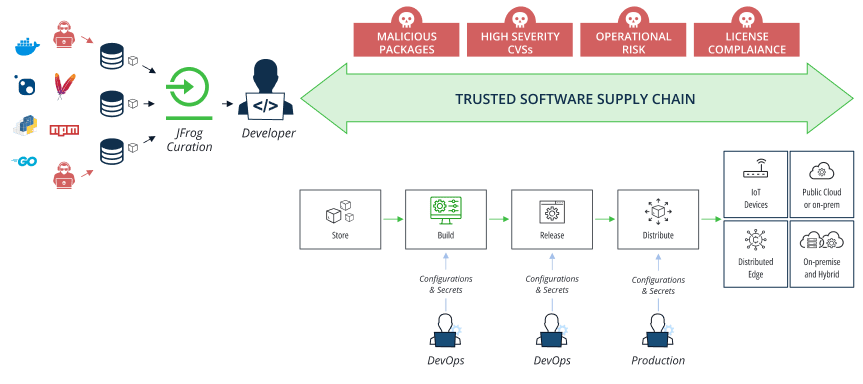
JFrog's new capabilities enable organizations to gain visibility into AI tool usage across their development pipelines. By integrating detection mechanisms into existing software supply chain security workflows, the platform helps teams identify where shadow AI is being deployed and assess associated risks.
The detection framework operates at multiple levels:
- Pipeline Integration: Monitors development workflows for AI-generated code and tool signatures
- Artifact Analysis: Examines build artifacts and dependencies for indicators of AI tool usage
- Policy Enforcement: Enables teams to establish and enforce AI tool governance policies
- Compliance Reporting: Provides audit trails and documentation for regulatory requirements
This approach aligns with JFrog's broader mission to secure the software supply chain—a critical concern as development environments become increasingly complex and distributed.
Broader Security Implications
The introduction of shadow AI detection reflects a maturation in how enterprises approach software supply chain security. Organizations now recognize that visibility and control over development tools directly impact their ability to maintain security standards and meet compliance obligations.
For security teams, the challenge involves balancing innovation with governance. Developers benefit from AI-powered productivity tools, but unrestricted usage creates organizational risk. JFrog's detection capabilities provide a middle ground—enabling teams to understand their AI tool landscape while establishing policies that permit beneficial usage within controlled parameters.
Industry Context
JFrog's move comes as enterprises increasingly grapple with AI adoption across technical functions. The software development sector has been particularly affected, with AI coding assistants gaining rapid adoption among developers. However, this adoption has often outpaced organizational governance frameworks, creating the shadow AI phenomenon.
Security vendors and platform providers are responding by building AI governance and detection capabilities into their core offerings. This represents a shift from purely reactive security measures toward proactive visibility and control over development environments.
Key Takeaways
JFrog's shadow AI detection capabilities address a genuine organizational need: understanding and governing AI tool usage in development pipelines. As AI becomes more embedded in development workflows, the ability to maintain visibility and enforce policies becomes increasingly important for security and compliance teams.
Organizations implementing these detection measures can expect to gain clearer insights into their development tool landscapes while establishing governance frameworks that balance innovation with security requirements.
Key Sources
- JFrog Platform Documentation and Security Capabilities
- Industry analysis on software supply chain security trends
- Enterprise AI governance best practices


