

Microsoft Adjusts AI Sales Strategy as Enterprise Adoption Momentum Slows
Microsoft is recalibrating its artificial intelligence sales targets in response to a deceleration in customer adoption rates, signaling a market correction in enterprise AI deployment expectations.
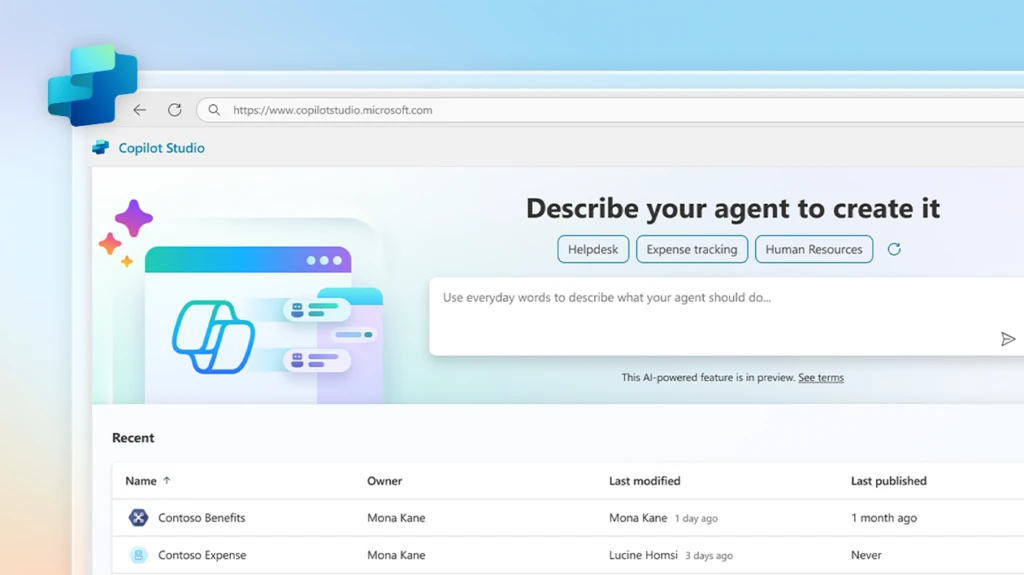
Microsoft Recalibrates AI Sales Expectations
Microsoft is adjusting its sales quotas for artificial intelligence products and services, reflecting a slowdown in the pace at which enterprises are adopting AI solutions. The strategic recalibration indicates that the initial momentum surrounding generative AI deployment has moderated, requiring the technology giant to reset internal targets and expectations for revenue growth in this critical segment.
The move represents a significant shift from the aggressive expansion trajectory Microsoft pursued following the launch of its Copilot suite and integration of OpenAI's technology into its enterprise products. While AI remains a cornerstone of Microsoft's long-term strategy, the company is now confronting the reality that customer adoption cycles are extending beyond initial projections.
Market Dynamics and Customer Adoption Patterns
The slowdown in AI adoption reflects several interconnected factors affecting enterprise decision-making:
- Extended evaluation periods: Organizations are taking longer to assess AI solutions before committing to large-scale deployments
- Integration complexity: Enterprises face technical and organizational challenges when implementing AI tools across existing infrastructure
- ROI uncertainty: Customers are demanding clearer evidence of return on investment before expanding AI initiatives
- Budget constraints: Economic pressures are causing some organizations to defer or reduce AI spending
- Skill gaps: The shortage of personnel trained to effectively deploy and manage AI systems is creating bottlenecks
Strategic Implications for Microsoft
The quota adjustment doesn't signal a retreat from AI investment. Rather, it reflects a more realistic assessment of market timing and customer readiness. Microsoft's Copilot products—including Copilot Pro, Copilot for Microsoft 365, and specialized industry solutions—remain central to the company's product roadmap. However, the sales organization is now operating under revised expectations that align with actual market conditions.
This recalibration affects multiple business units within Microsoft, including:
- Enterprise cloud services and Azure AI capabilities
- Microsoft 365 productivity applications with embedded AI features
- Industry-specific AI solutions for healthcare, finance, and manufacturing
- Developer tools and platforms for AI application creation
Broader Industry Context
Microsoft's adjustment mirrors broader industry trends. Other major technology companies have similarly moderated their AI growth expectations as the initial wave of enthusiasm encounters practical implementation challenges. The gap between AI's technical capabilities and its real-world business impact continues to narrow, but more gradually than many stakeholders anticipated.
The slowdown also reflects a maturing market where early adopters have already deployed solutions, and the next wave of customers requires more compelling use cases and demonstrated value propositions. This transition from early adoption to mainstream deployment typically involves longer sales cycles and more rigorous evaluation processes.
Looking Forward
Despite the near-term quota adjustments, Microsoft remains committed to AI as a fundamental driver of future growth. The company continues investing heavily in AI research, infrastructure, and product development. The revised sales targets should be understood as a recalibration of timing rather than a fundamental change in strategic direction.
For customers and partners, the adjustment may actually create opportunities. With sales teams operating under more realistic targets, there may be increased focus on delivering genuine value and ensuring successful implementations rather than pursuing aggressive volume metrics. This shift could ultimately strengthen customer relationships and improve long-term adoption rates.
The technology landscape continues to evolve rapidly, and Microsoft's willingness to adjust its sales strategy demonstrates the company's responsiveness to market realities. As enterprises gain more experience with AI tools and develop clearer use cases, adoption patterns are likely to stabilize at more predictable levels, providing a foundation for sustainable long-term growth in this critical market segment.
Key Sources
- Microsoft's quarterly earnings reports and strategic guidance documents
- Industry analyst reports on enterprise AI adoption trends
- Market research on AI implementation timelines and ROI expectations


