
Pichai and Ng Champion "Vibe Coding" as AI Community Grapples with Trust Erosion
Two of AI's most influential voices are doubling down on intuitive, human-centered coding practices as the industry confronts mounting skepticism about artificial intelligence's reliability and societal impact.
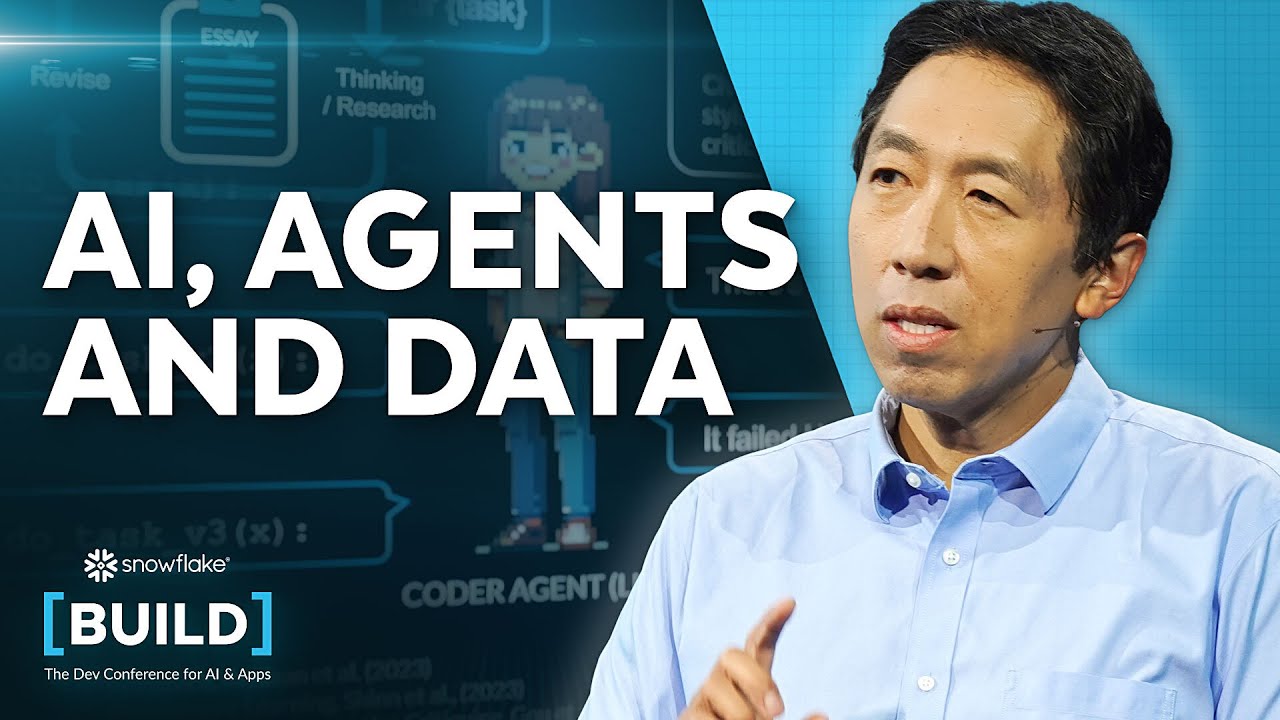
Industry Leaders Defend Intuitive Development Amid Trust Crisis
Sundar Pichai and Andrew Ng, two of the technology sector's most prominent figures, are actively championing "vibe coding"—an approach emphasizing intuition, human judgment, and pragmatic problem-solving over rigid algorithmic frameworks. Their advocacy comes at a critical moment when public confidence in AI systems faces unprecedented pressure from concerns about accuracy, bias, and unintended consequences.
The concept of vibe coding represents a philosophical shift in how developers approach artificial intelligence systems. Rather than relying solely on mathematical optimization and statistical models, this methodology prioritizes the developer's instinctive understanding of system behavior, user needs, and real-world constraints. For Pichai and Ng, this human-centric perspective offers a counterbalance to the purely technical orientation that has dominated AI development.
The Trust Deficit in Modern AI
The push for vibe coding practices reflects deeper anxieties within the technology community. Recent surveys and industry analyses indicate declining confidence in AI systems across multiple sectors:
- Accuracy concerns: Users report increased skepticism about AI-generated outputs, particularly in high-stakes applications
- Bias and fairness: Persistent questions about algorithmic fairness continue to plague deployment decisions
- Transparency gaps: Black-box decision-making processes undermine institutional trust
- Safety uncertainties: Concerns about uncontrolled AI behavior persist despite technical safeguards
Pichai, as CEO of Google and Alphabet, oversees one of the world's largest AI research operations. Ng, through his work at Stanford and various ventures, has long advocated for democratizing machine learning education. Both leaders recognize that technical excellence alone cannot restore confidence—the human element matters.
Why Vibe Coding Addresses the Trust Problem
The vibe coding approach offers several advantages in rebuilding confidence:
Human Accountability: By emphasizing developer intuition and judgment, this methodology creates clearer lines of responsibility. When humans remain actively engaged in decision-making, rather than deferring to automated systems, stakeholders can better understand and challenge outcomes.
Contextual Awareness: Experienced developers bring contextual knowledge that pure algorithms cannot capture. Understanding the specific domain, user population, and potential failure modes allows for more robust system design.
Iterative Refinement: Vibe coding encourages continuous feedback loops between developers and systems, enabling rapid identification and correction of problematic behaviors before they scale.
Implications for AI Development
This advocacy signals a potential recalibration in how the industry approaches AI development. Rather than pursuing ever-larger models and more sophisticated optimization techniques, there may be renewed focus on:
- Building smaller, more interpretable systems
- Strengthening human oversight mechanisms
- Prioritizing explainability alongside performance
- Creating feedback channels for end-users and stakeholders
The emphasis on vibe coding doesn't represent a rejection of rigorous technical practice. Instead, it acknowledges that AI systems exist within human contexts and must be designed with that reality in mind.
Looking Forward
As Pichai and Ng continue to shape industry discourse, their support for vibe coding practices may influence how companies structure their AI teams and development processes. This approach could prove particularly valuable in regulated industries where explainability and accountability are non-negotiable requirements.
The broader message is clear: restoring trust in AI requires not just better algorithms, but better integration of human judgment, oversight, and responsibility into the development process itself.
Key Sources: Statements and advocacy from Sundar Pichai (Google/Alphabet CEO) and Andrew Ng (Stanford AI researcher and technology entrepreneur) regarding AI development methodologies and trust in artificial intelligence systems.


