
Tesla Ramps Up Chip Designer Recruitment as AI5 Chip Approaches Production
Tesla is launching an aggressive hiring campaign for chip designers as the company prepares to complete its next-generation AI5 processor, signaling accelerated timelines for autonomous driving and AI infrastructure deployment.
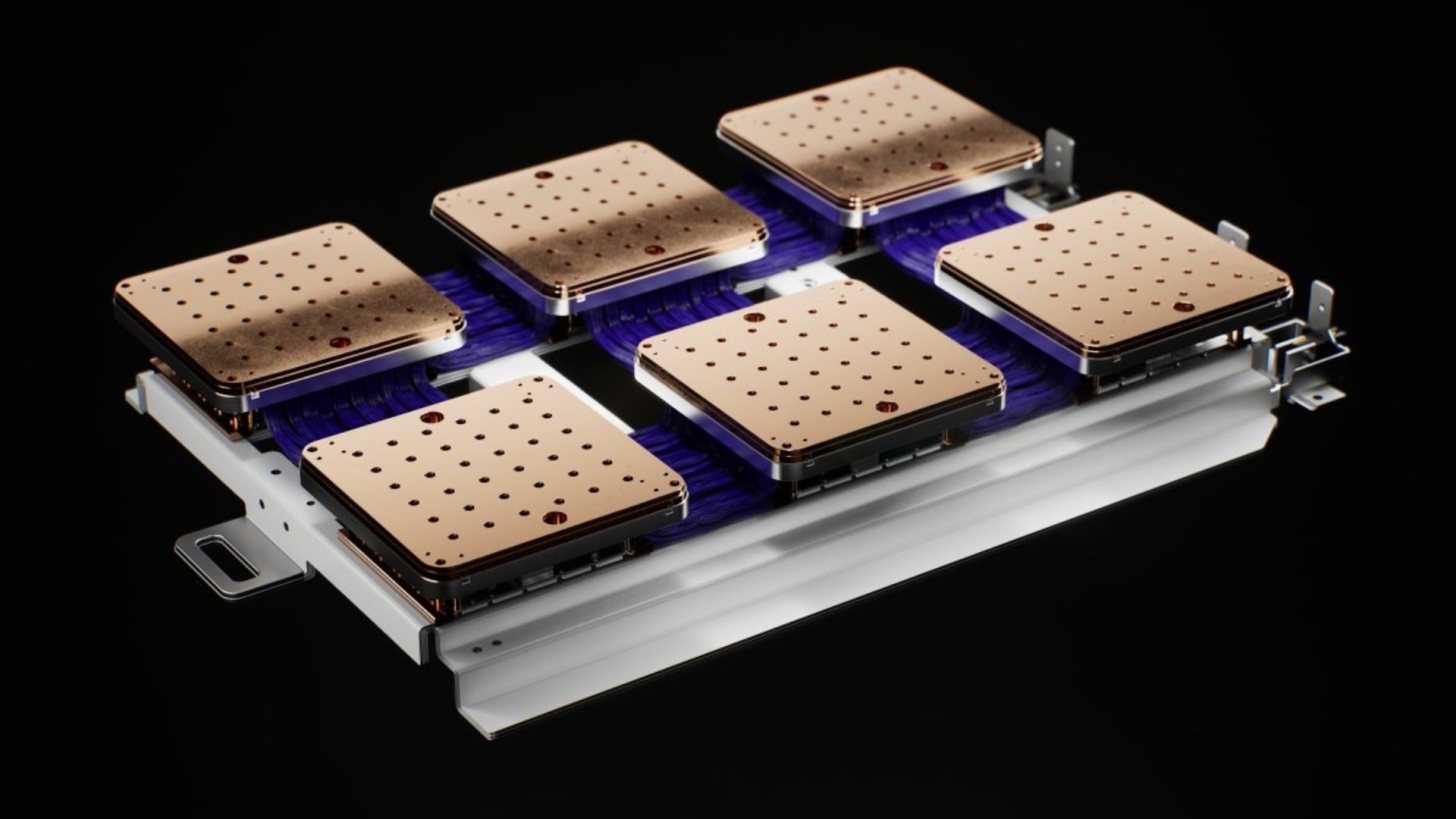
Tesla Accelerates Chip Design Team Expansion
Tesla is launching a significant hiring campaign targeting experienced chip designers as the company moves closer to completing its highly anticipated AI5 processor. The recruitment push reflects Tesla's commitment to advancing its in-house semiconductor capabilities and maintaining competitive advantage in autonomous vehicle technology and AI infrastructure.
The AI5 chip represents a substantial leap forward in Tesla's computational architecture. According to CEO Elon Musk's public statements, the AI5 is positioned to deliver 40x performance improvements over the current AI4 generation, marking one of the most ambitious generational upgrades in the company's chip development history. This performance multiplier underscores the technical complexity and engineering rigor required to bring the design to production.
Strategic Importance of In-House Chip Development
Tesla's decision to build internal chip design capabilities reflects a broader industry trend toward vertical integration in autonomous systems. By developing proprietary silicon, Tesla reduces dependency on external suppliers and maintains direct control over the hardware-software optimization critical to Full Self-Driving (FSD) and broader AI applications.
The AI5 hiring campaign signals several strategic priorities:
- Production readiness: Recruiting now suggests Tesla is transitioning from design validation to manufacturing preparation
- Competitive positioning: Advanced chip capabilities enable Tesla to differentiate its autonomous driving stack from competitors
- Scalability: A larger design team supports rapid iteration and future generation development cycles
- In-house expertise: Building deep semiconductor talent reduces reliance on external consultants and accelerates decision-making
Technical Specifications and Performance Targets
The AI5 chip is engineered to handle the computational demands of advanced autonomous driving, real-time sensor fusion, and machine learning inference at scale. The 40x performance improvement over AI4 addresses the exponential growth in neural network complexity required for Level 4-5 autonomous capabilities.
Tesla's chip roadmap demonstrates the company's commitment to custom silicon optimization. Rather than relying on general-purpose processors, Tesla designs chips specifically tuned for its neural network architectures and inference workloads. This specialization enables superior performance-per-watt metrics compared to off-the-shelf alternatives.
Implications for Tesla's AI Infrastructure
The timing of this hiring campaign coincides with Tesla's broader AI infrastructure expansion. The company has been investing heavily in Dojo, its custom AI training supercomputer, which works in tandem with edge inference chips like the AI5. Together, these systems form an integrated platform for training autonomous driving models and deploying them across Tesla's vehicle fleet.
The recruitment effort also suggests Tesla is preparing for increased production volumes of AI5-equipped vehicles. Scaling manufacturing requires not only production engineering but also ongoing design support, validation, and potential design iterations based on real-world performance data.
Industry Context
Tesla's vertical integration in semiconductors positions it differently from traditional automakers reliant on Tier 1 suppliers. This approach mirrors strategies employed by other technology companies seeking control over critical infrastructure. The AI5 represents the culmination of years of internal chip development expertise, building on previous generations including the custom Full Self-Driving Computer (HW3) and subsequent iterations.
The hiring campaign underscores that chip design is not a one-time project but an ongoing discipline requiring sustained investment and talent acquisition. As autonomous driving technology matures and computational requirements evolve, Tesla's ability to rapidly develop next-generation silicon becomes a competitive differentiator.
Key Takeaways
Tesla's chip designer recruitment signals confidence in AI5's near-term completion and reflects the company's strategic commitment to proprietary semiconductor development. The hiring push indicates production timelines are accelerating, with implications for FSD deployment and Tesla's competitive positioning in autonomous vehicle technology.
Key Sources: Tesla's public statements on AI5 performance specifications; industry analysis of Tesla's semiconductor strategy and vertical integration approach; autonomous driving technology roadmap documentation.


