
The AI Arms Race: How Attackers May Outpace Cybersecurity Defenses by 2026
As artificial intelligence capabilities accelerate, cybersecurity experts warn that attackers may gain a decisive advantage over defenders within the next two years. The convergence of AI-powered attack tools and the lag in defensive deployment creates a critical window of vulnerability for organizations worldwide.
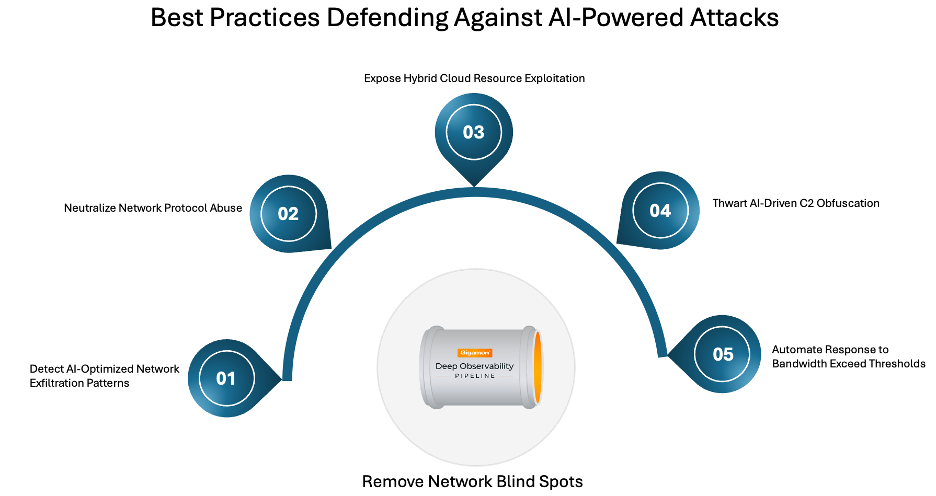
The Emerging AI Advantage for Attackers
The cybersecurity landscape faces a fundamental imbalance. While defenders have begun deploying AI-powered detection and response systems, threat actors are simultaneously weaponizing the same technology at a faster pace. Security researchers increasingly warn that by 2026, attackers armed with sophisticated AI tools may outpace the defensive measures available to most organizations, creating what some call an "asymmetric advantage" in the digital threat landscape.
This divergence stems from several factors. Attackers operate with fewer constraints, can iterate rapidly on malicious techniques, and benefit from the democratization of AI tools. Meanwhile, defenders must navigate regulatory compliance, legacy system integration, and the inherent complexity of protecting sprawling digital infrastructure.
How AI Amplifies Attack Capabilities
Artificial intelligence enables threat actors to operate at unprecedented scale and speed:
- Automated reconnaissance: AI systems can scan networks, identify vulnerabilities, and map attack surfaces faster than human analysts
- Adaptive malware: Machine learning models allow malicious code to evolve in real-time, bypassing signature-based defenses
- Social engineering at scale: Natural language processing powers convincing phishing campaigns and deepfake-based attacks targeting thousands simultaneously
- Zero-day exploitation: AI can identify previously unknown vulnerabilities by analyzing code patterns and system behaviors
The sophistication gap widens as attackers combine these capabilities. A single AI-powered campaign can test thousands of attack vectors, learn from failures, and optimize approaches within hours—a process that would take human-led teams weeks or months.
The Defensive Response Lag
Cybersecurity teams face a critical challenge: deploying AI defenses requires significant investment, expertise, and organizational change. Many enterprises still rely on legacy security infrastructure incompatible with modern AI-driven threat detection. Additionally, the shortage of skilled cybersecurity professionals means that even organizations with resources struggle to implement and maintain advanced defensive systems.
The talent gap compounds the problem. Building, training, and deploying AI security systems demands expertise in machine learning, cybersecurity, and systems architecture—a rare combination. This scarcity means that well-resourced organizations may achieve AI-powered defense, while smaller enterprises remain vulnerable.
The 2026 Inflection Point
Security analysts point to 2026 as a potential inflection point where the balance tilts decisively toward attackers. By then, several converging trends will likely accelerate:
- Widespread availability of open-source AI attack frameworks
- Maturation of large language models capable of autonomous exploitation
- Integration of AI into ransomware and supply chain attacks
- Erosion of traditional perimeter-based security models
Organizations that fail to adopt AI-powered defenses by this timeframe may face exponentially higher breach risks.
Preparing for the AI-Driven Threat Landscape
Cybersecurity leaders must act now to narrow the gap:
- Invest in AI-powered detection systems that can identify anomalies and threats in real-time
- Modernize infrastructure to support continuous monitoring and rapid response
- Build security talent pipelines through training and recruitment initiatives
- Adopt zero-trust architectures that assume compromise and verify every access request
- Collaborate on threat intelligence to share insights about emerging AI-powered attacks
Key Sources
The assessment of AI's accelerating impact on cybersecurity draws from industry analysis of emerging threat patterns, security research on AI-powered attack capabilities, and expert commentary on the defensive readiness gap. Organizations including ISACA and leading cybersecurity firms have documented the growing sophistication of AI-enabled threats and the corresponding need for advanced defensive technologies.
The race between AI-powered attack and defense capabilities will define cybersecurity strategy for the next two years. Organizations that recognize this inflection point and act decisively stand the best chance of maintaining security posture in an increasingly hostile digital environment.


