
Uber Faces Legal Pressure Over AI-Driven Pay Systems
Uber faces legal pressure to halt AI-driven pay systems amid concerns over transparency, discrimination, and labor law violations.
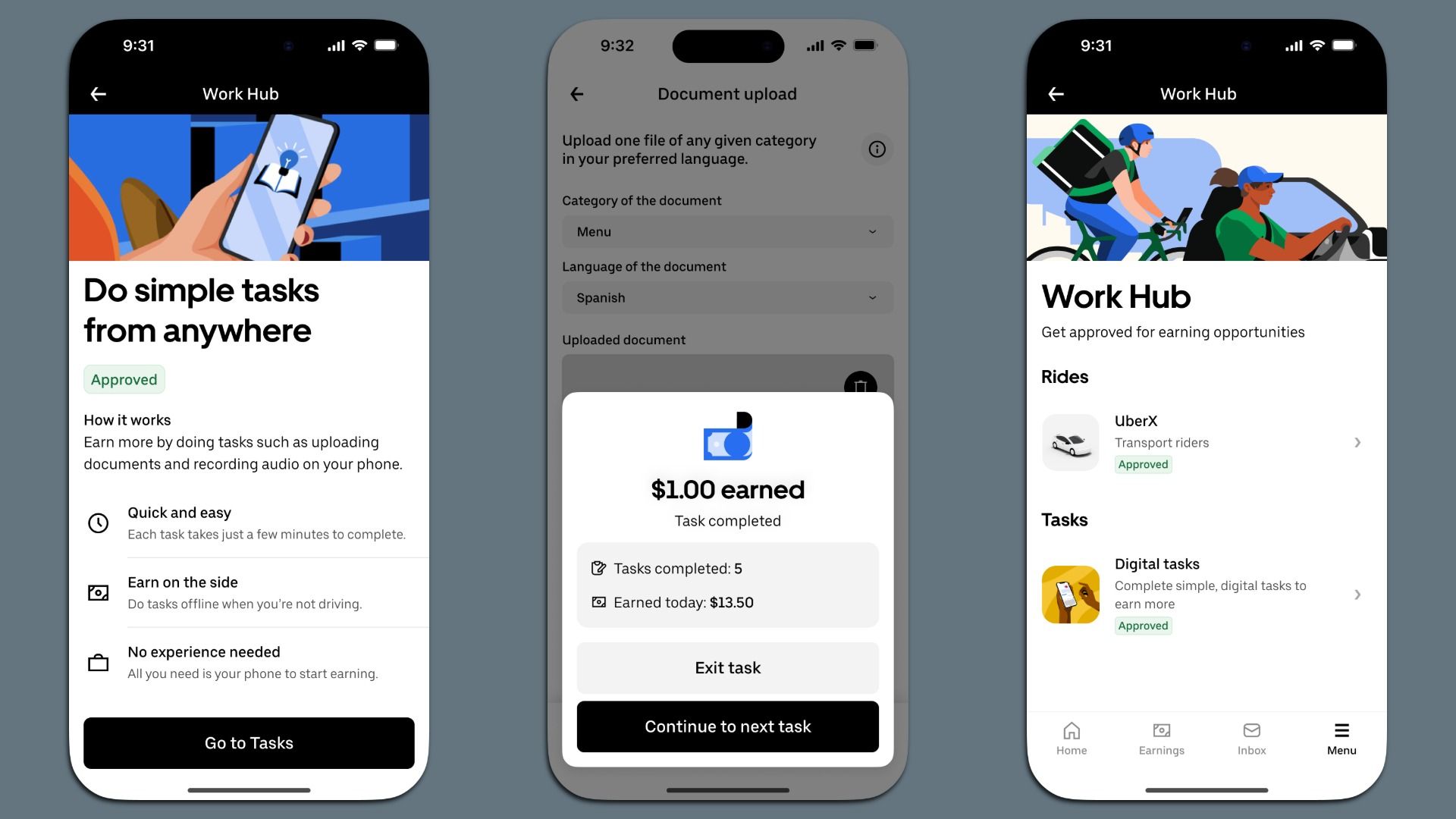
Uber Faces Legal Pressure Over AI-Driven Pay Systems
Uber is under mounting legal pressure as regulators and labor groups demand the company suspend its use of artificial intelligence (AI) in determining driver pay and work assignments. The controversy centers on allegations that Uber’s AI-driven systems lack transparency, may discriminate against certain drivers, and could violate labor laws by automating critical employment decisions without sufficient human oversight.
Legal Actions and Regulatory Scrutiny
Multiple labor organizations and regulatory bodies have formally requested that Uber halt the use of its AI-powered pay algorithms. In the United Kingdom, the Trades Union Congress (TUC) and several gig economy advocacy groups have filed complaints with the Information Commissioner’s Office (ICO), arguing that Uber’s AI systems may breach data protection and anti-discrimination laws. Similar actions are underway in the United States, where the National Labor Relations Board (NLRB) and several state attorneys general are investigating whether Uber’s automated pay and assignment tools violate fair labor standards.
The legal demands come amid a broader wave of scrutiny over the use of AI in employment. Critics argue that Uber’s AI-driven pay system—used to set fares, bonuses, and work assignments—can lead to unpredictable and sometimes unfair outcomes for drivers. Some drivers have reported sudden drops in earnings or being assigned less desirable trips without clear explanations, fueling concerns about algorithmic bias and lack of recourse.
How Uber’s AI Pay System Works
Uber’s AI-driven pay system uses machine learning algorithms to analyze vast amounts of data, including trip history, demand patterns, and driver performance metrics. The system is designed to optimize efficiency and profitability by dynamically adjusting pay rates and assigning trips based on real-time conditions. However, the lack of transparency in how these decisions are made has raised alarms among drivers and regulators alike.
Drivers have little insight into how their pay is calculated or why certain trips are assigned to them. This opacity has led to accusations that the system may inadvertently discriminate against drivers based on factors such as location, race, or gender. Additionally, some drivers claim that the system penalizes those who decline trips or take time off, further exacerbating concerns about fairness and accountability.
Industry and Legal Implications
The legal demands against Uber highlight the growing tension between technological innovation and worker rights in the gig economy. As companies increasingly rely on AI to manage their workforce, questions about transparency, accountability, and fairness are coming to the forefront. The outcome of these legal actions could set important precedents for how AI is used in employment decisions across industries.
Legal experts warn that if Uber is forced to halt its AI-driven pay systems, it could face significant operational challenges and financial losses. However, failing to address the concerns could lead to more severe regulatory penalties and reputational damage. The case also underscores the need for clearer guidelines and regulations governing the use of AI in the workplace.
Uber’s Response and Future Outlook
Uber has defended its use of AI, stating that the technology is designed to improve efficiency and provide drivers with more opportunities. The company maintains that its systems are regularly audited for bias and compliance with legal standards. However, Uber has acknowledged the need for greater transparency and is reportedly working on new features to provide drivers with more detailed explanations of pay and assignment decisions.
As the legal and regulatory landscape evolves, Uber and other gig economy companies will need to strike a delicate balance between innovation and accountability. The outcome of these legal demands could have far-reaching implications for the future of work in the digital age.


