
AI-Powered Attacks Outpace Traditional Cybersecurity Defenses, Harvard Analysis Warns
As AI-driven cyberattacks grow more sophisticated, traditional security measures are proving inadequate. Harvard researchers warn that organizations must fundamentally rethink their defense strategies to survive the emerging threat landscape.
The Cybersecurity Arms Race Has Shifted
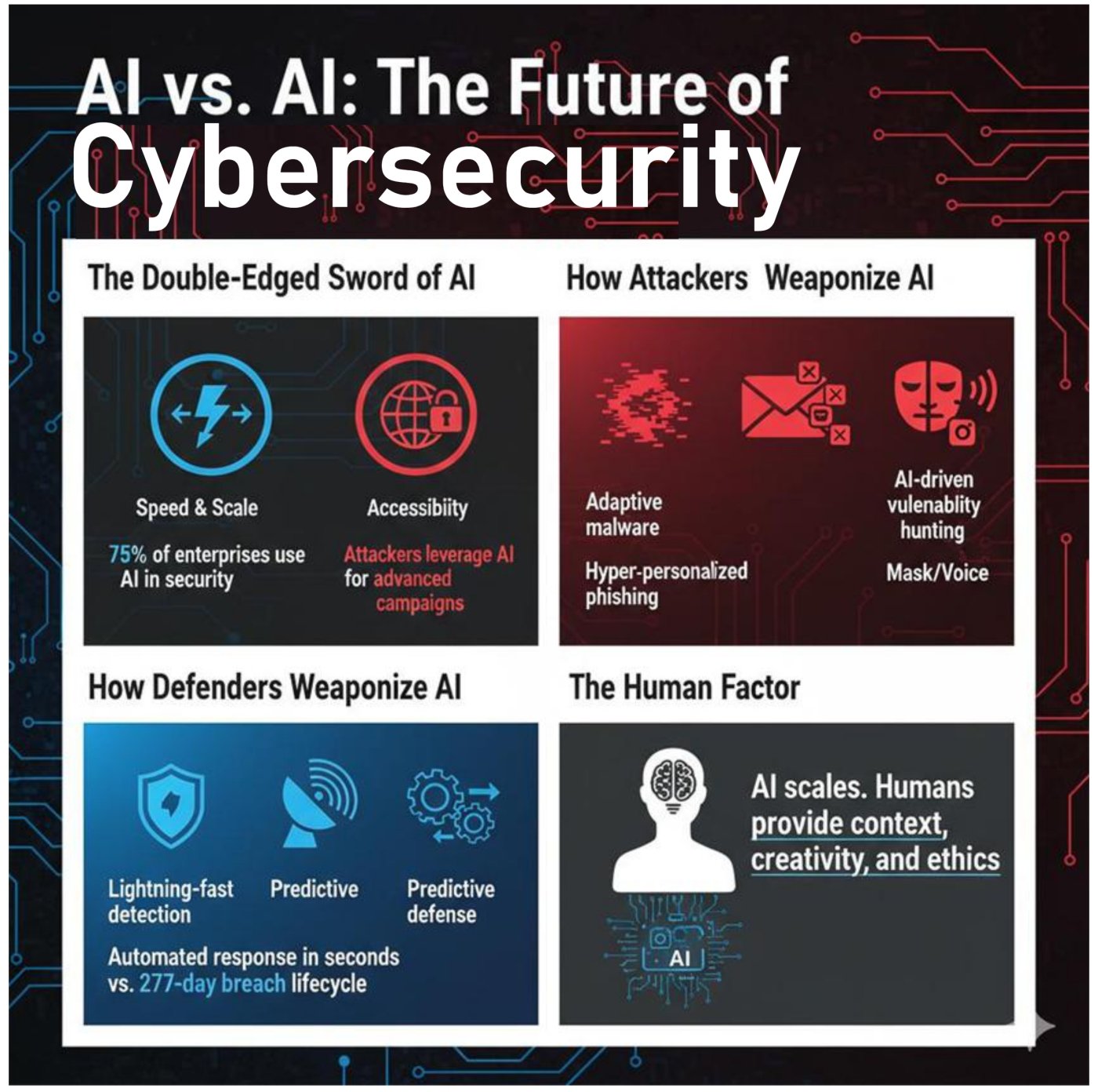
The traditional fortress model of cybersecurity—firewalls, intrusion detection systems, and rule-based threat prevention—is crumbling under the weight of machine learning-powered attacks. According to Harvard's analysis, the security industry faces a fundamental reckoning as attackers leverage AI to automate reconnaissance, exploit vulnerabilities at scale, and adapt in real-time to defensive measures.
This isn't hyperbole. The shift represents a watershed moment in cybersecurity strategy. Where defenders once relied on signature-based detection and static rule sets, adversaries now deploy algorithms that learn, evolve, and circumvent controls faster than human analysts can respond.
Why Traditional Defenses Are Failing
The core problem is asymmetry. Conventional cybersecurity operates on a reactive model: detect anomalies, investigate incidents, patch vulnerabilities. But AI-driven attacks compress this timeline to milliseconds.
Research from industry analysts reveals that organizations are struggling to keep pace. Key vulnerabilities in legacy approaches include:
- Static rule sets that cannot adapt to novel attack patterns
- Human-dependent incident response that cannot match machine speed
- Siloed security tools that lack integrated threat intelligence
- Delayed threat detection measured in days or weeks, not seconds
According to Harvard's SEC examination priorities, regulators are now scrutinizing how financial institutions and investment advisers manage AI-related cybersecurity risks—a clear signal that the problem has moved from technical concern to compliance imperative.
The Resilience Imperative
Rather than attempting to prevent all breaches—an increasingly futile goal—forward-thinking organizations are shifting toward resilience frameworks. This means designing systems that assume compromise will occur and prioritize rapid detection, containment, and recovery.
Unisys forecasts that AI-driven security tools will become non-negotiable for enterprise defense, but only when paired with human expertise and organizational agility. The winning strategy combines:
- AI-powered threat detection that identifies anomalies humans would miss
- Automated response mechanisms that contain threats before escalation
- Continuous security posture assessment rather than annual audits
- Cross-functional incident response teams with real-time decision authority
The Skills Gap Compounds the Problem
Harvard's broader analysis on cybersecurity in the AI era highlights another critical vulnerability: the talent shortage. Organizations lack professionals who understand both classical security principles and modern AI/ML attack vectors. This expertise gap means many firms cannot even properly evaluate their exposure to AI-driven threats, let alone defend against them.
Industry observers note that 2026 will be a pivotal year for security leadership, with CISOs forced to make difficult choices about legacy tool replacement, team restructuring, and budget reallocation toward AI-native defenses.
What Organizations Must Do Now
The message from Harvard and regulatory bodies is unambiguous: incremental improvements to existing security infrastructure are insufficient. Organizations must:
- Audit current defenses against AI-driven attack scenarios, not just traditional threats
- Invest in AI-powered security tools while maintaining human oversight
- Rebuild incident response for speed and automation
- Upskill security teams on AI/ML fundamentals and threat modeling
- Establish resilience metrics beyond breach prevention
The cybersecurity industry is at an inflection point. Those who cling to traditional approaches will find themselves increasingly exposed. Those who embrace AI-native defense strategies—while maintaining human judgment and organizational agility—will survive the transition. The question is no longer whether your defenses are adequate, but how quickly you can transform them.


