
AI Steals the Show at CES 2026 as Metaverse Hype Fades
CES 2026 reveals a dramatic shift in tech priorities: practical AI applications dominate the floor while metaverse exhibits shrink to near-invisibility, signaling the industry's pivot from speculative tech to deployable solutions.
The Metaverse Moment Has Passed
The metaverse was supposed to be the future. For years, tech giants invested billions in virtual worlds, spatial computing, and immersive experiences. But walk the halls of CES 2026, and you'll notice something striking: the metaverse is nearly gone. Where once sprawling VR pavilions dominated entire sections of the Las Vegas Convention Center, there are now sparse booths and diminished presence. The narrative has shifted, and the industry's priorities have fundamentally realigned.
Meanwhile, artificial intelligence has moved from theoretical promise to practical deployment. According to ARM's analysis of CES 2026 trends, AI is no longer the future—it's the present. The difference is stark: AI solutions are solving real problems today, while the metaverse remains a speculative bet on tomorrow.
Where AI Dominance Begins
The scale of AI's presence at CES 2026 is difficult to overstate. NVIDIA's special presentation highlighted how AI is permeating every layer of the technology stack, from edge devices to data centers. This isn't about chatbots or generative text anymore—it's about embedded intelligence that works at the point of use.
Key areas driving AI momentum include:
- Edge AI and on-device processing: Reducing latency and privacy concerns by running models locally
- Robotics and automation: Practical applications in manufacturing, logistics, and service industries
- Healthcare and diagnostics: AI-powered tools delivering measurable clinical outcomes
- Autonomous systems: From vehicles to industrial equipment, real-world deployment is accelerating
According to CES organizers, the show itself has become a barometer for where capital and engineering talent are flowing. The data doesn't lie: AI booths are packed, while virtual reality experiences are relegated to niche corners.
The Metaverse's Quiet Retreat
The metaverse didn't disappear overnight—it faded. What began as a transformative vision from Meta, Microsoft, and others has become a cautionary tale about hype cycles. Several factors contributed to this shift:
- Adoption remained limited: Consumer interest never materialized at scale
- Hardware barriers persisted: VR headsets remained expensive and uncomfortable for extended use
- Killer apps never emerged: The metaverse lacked compelling reasons for mainstream adoption
- Capital reallocation: Investment dollars shifted toward AI, which showed immediate ROI
CES coverage from day three documented this transition explicitly, with industry analysts noting that the metaverse has become a "nice-to-have" rather than a "must-have" technology.
The Practical AI Revolution
What makes AI's ascendance different is tangibility. According to Fox News' coverage of CES showstopping innovations, attendees aren't marveling at theoretical possibilities—they're witnessing functional systems that reduce costs, improve efficiency, and enhance human capability.
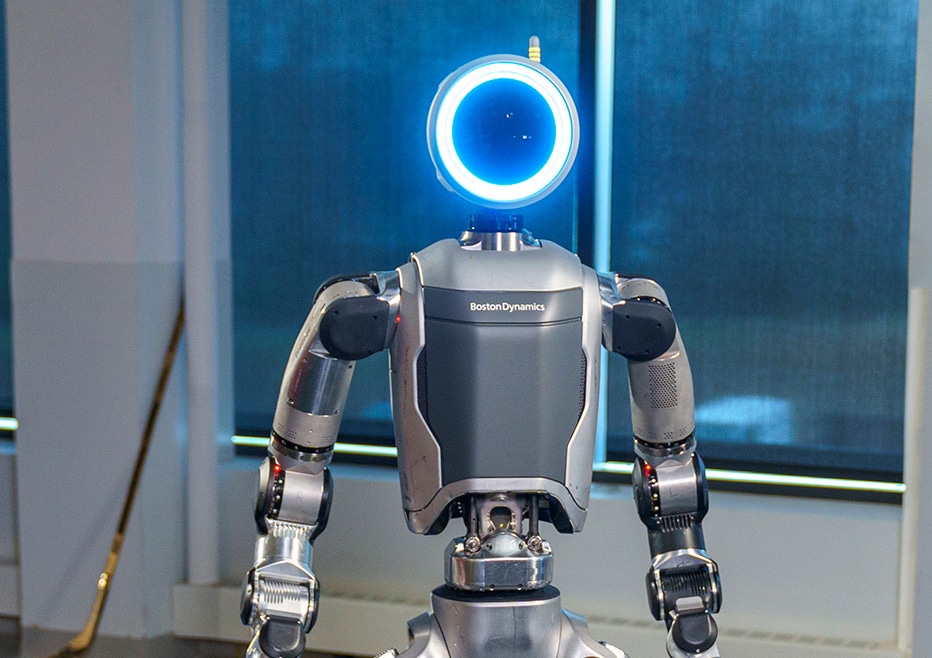
Robotics exemplifies this shift. Humanoid robots are no longer science fiction; they're being deployed in warehouses, hospitals, and manufacturing facilities. AI-powered diagnostics are improving cancer detection rates. Autonomous systems are reducing supply chain friction.
What This Means for Tech's Future
The CES 2026 floor tells a story about maturation. The industry is moving past speculative bets and toward practical deployment. For those interested in exploring AI innovations at the show, the itineraries are packed with sessions on real-world applications rather than conceptual frameworks.
The metaverse may eventually find its niche—perhaps in gaming, training simulations, or specialized professional applications. But its moment as the defining technology of the next decade has passed. AI, by contrast, is just getting started. The question is no longer whether AI will transform industries; it's how quickly companies can adapt to a world where intelligent systems are embedded in everything.
CES 2026 has rendered its verdict: the future is practical, measurable, and powered by artificial intelligence.


