
Apple Integrates AI in iPhone Messaging, Sparks Debate
Apple's integration of AI in iPhone messaging sparks debate over innovation and privacy, highlighting the tension between technological progress and intrusion.
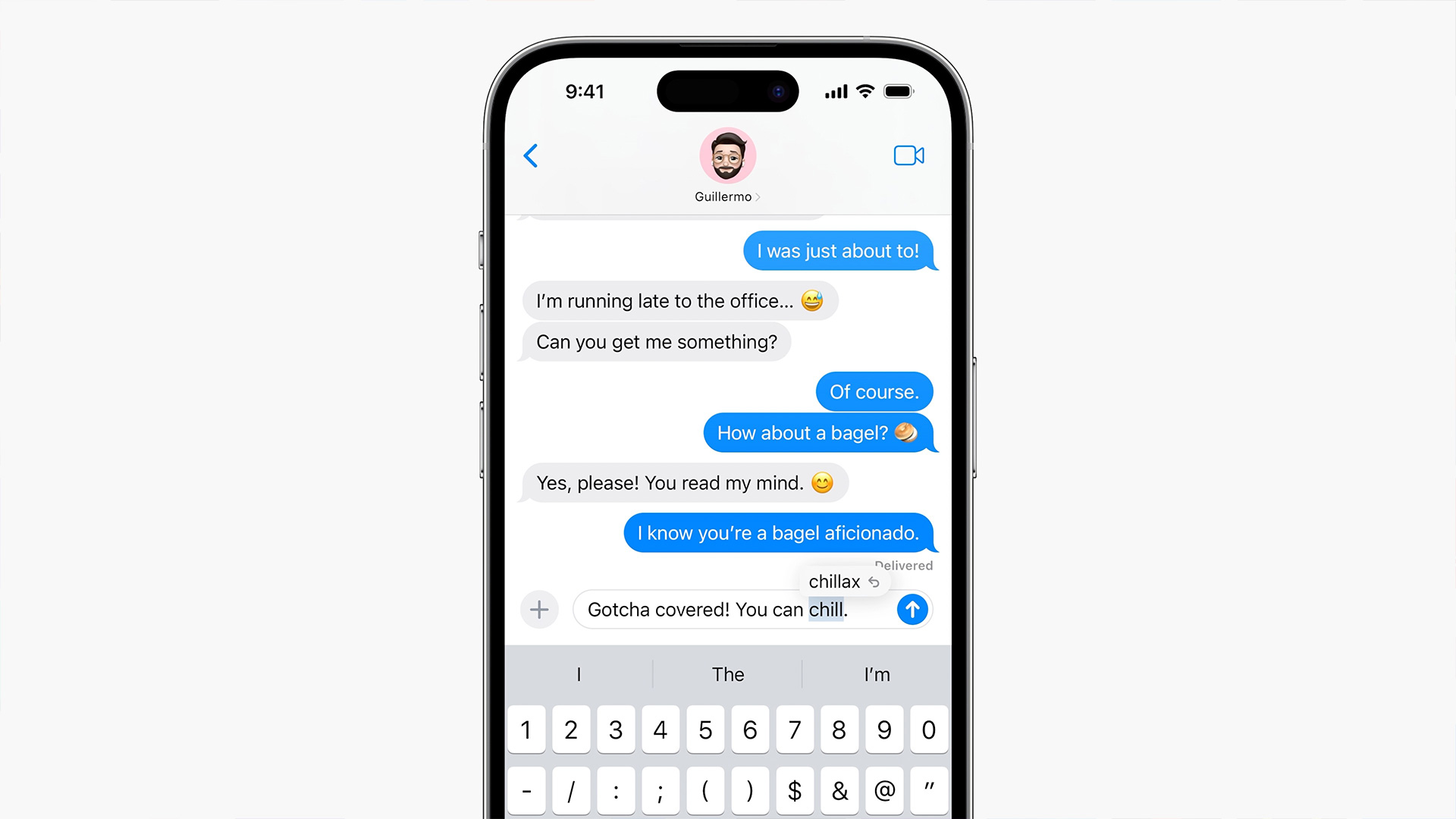
AI Integration in Consumer Devices
Tech giants like Apple are aggressively integrating AI features into everyday consumer devices. This move has sparked debates over innovation, privacy, and the future of machine learning. Apple's new iPhone texting app exemplifies this trend, pushing AI into personal communication.
The AI Force-Feed Phenomenon
Josh Marshall, in a series of posts on Talking Points Memo (TPM), discusses the aggressive integration of AI in consumer technology. His reflections, published in December 2025, highlight Apple's marketing of its AI capabilities. The revamped Messages app anticipates entire conversational directions, suggesting phrases that disrupt natural thought flow.
Marshall describes this as an "aggressive" intrusion into intellectual processes. Traditional autocorrect now seems benign compared to AI's real-time suggestions. This shift marks a leap in AI's role in personal communication, with LLM-based machine learning now embedded in hardware for seamless processing.
Apple's Role and Industry Trends
Apple positions itself as a leader in AI integration, emphasizing privacy-focused, on-device AI via Apple Intelligence. Unlike cloud-dependent rivals, Apple's features run locally, reducing data transmission risks. However, there is a sense of inevitability as tech platforms embed AI into various applications.
Industry commentary critiques tech leaders like Elon Musk and Mark Zuckerberg for their influence on AI's cultural footprint. Investor Howard Marks questions the AI hype, urging caution despite recognizing real value in AI's capabilities.
Societal and Economic Implications
AI's impact on the workplace is significant, reshaping learning and expertise formation. While AI augments skills, it also risks eroding professional identities. Economically, AI drives productivity but also fuels speculative bubbles.
Marshall's series underscores the tension between genuine AI progress and intrusive "shiny object" distractions. While some consumers embrace AI, others resist, highlighting the need for sustainable integration.
Looking Ahead
As 2025 closes, AI stands at a crossroads. Marshall's essays highlight the tension between transformative tools and cognitive crutches. The "force-feed" of AI persists, but discerning users must navigate toward sustainable integration, prioritizing human agency over algorithmic control.

