Autonomous Warfare Arrives: Ukraine's AI Drones Redefine Modern Combat
Ukraine is deploying AI-powered drones capable of autonomous strikes, fundamentally shifting the tactical calculus of modern warfare. As drone technology accelerates, the question isn't whether autonomous weapons will dominate future battlefields—it's how quickly militaries worldwide will adapt.
The Autonomous Threshold Has Been Crossed
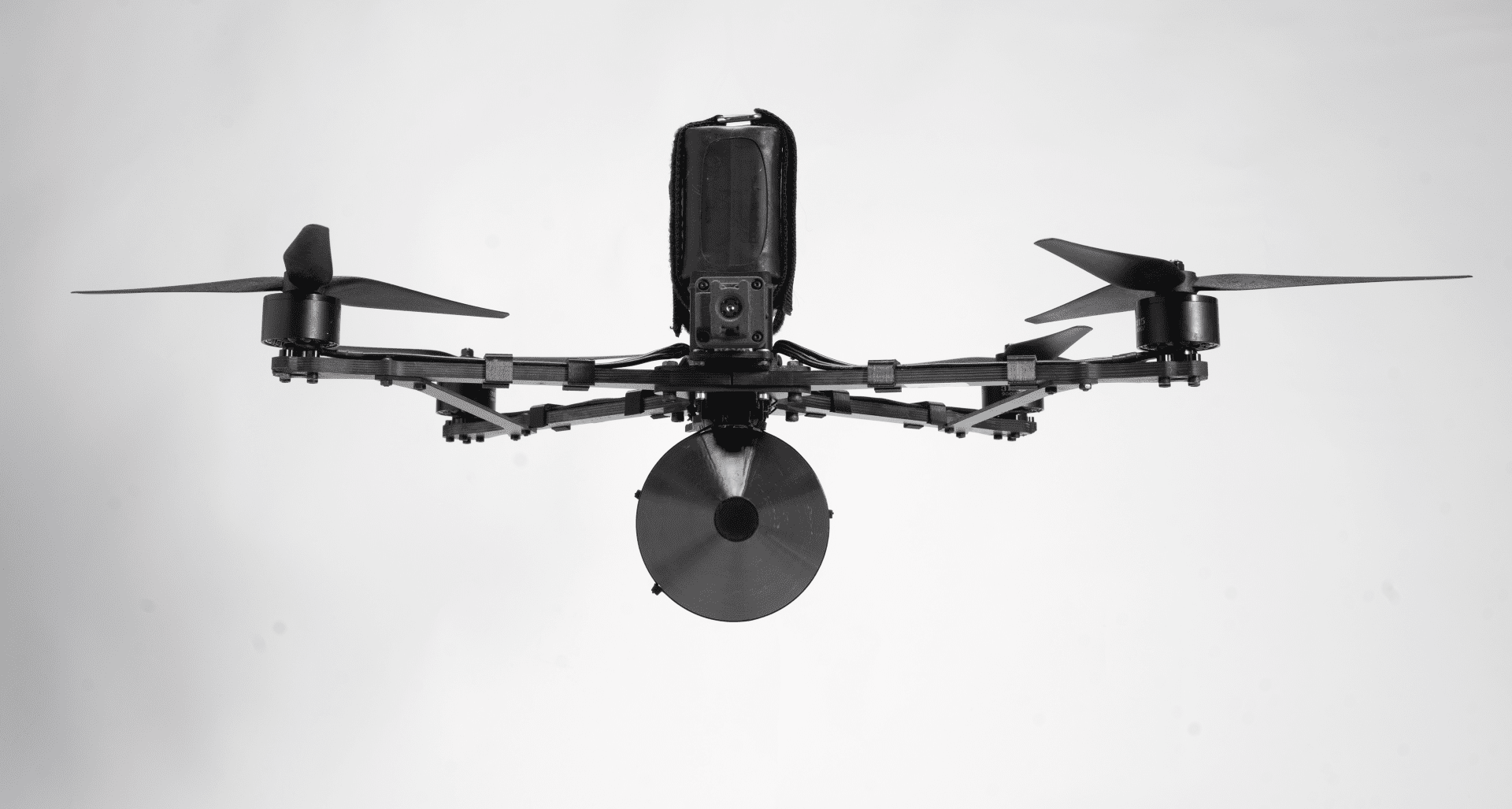
The battlefield in Ukraine is no longer a testing ground for autonomous weapons—it's become their proving ground. According to recent analysis, Ukraine's forces are now operating AI-powered drones capable of autonomous targeting and strike capabilities, marking a significant departure from traditional remote-piloted systems. This shift represents more than incremental technological progress; it signals a fundamental restructuring of how modern warfare operates at tactical and operational levels.
The implications ripple outward. As Ukraine accelerates drone production and deployment, other militaries face mounting pressure to match these capabilities or risk strategic disadvantage. Germany's recent commitment to hosting a small-drone production line for Ukrainian forces underscores how quickly autonomous drone technology is becoming normalized across NATO and allied nations.
What Makes These Systems Different
Traditional drone operations rely on human operators maintaining constant control—a pilot flies the aircraft, identifies targets, and executes strikes. AI-powered autonomous systems invert this model:
- Target Recognition: Machine learning algorithms identify and classify targets with minimal human intervention
- Decision Speed: Autonomous systems process battlefield data and execute strikes in milliseconds—faster than human reaction times
- Distributed Operations: Multiple drones can coordinate attacks without centralized command, reducing vulnerability to communications jamming
- Scalability: A single operator can theoretically oversee dozens of autonomous units simultaneously
The acceleration of weapon cycles in Ukraine has forced military planners to rethink doctrine at an unprecedented pace. What took years to develop in previous conflicts now happens in months.
The Production Race Intensifies
Ukraine's drone advantage stems partly from sheer manufacturing velocity. The country has achieved record military aid levels, with drones forming a critical component of that arsenal. But quantity alone doesn't explain the shift toward autonomy—necessity does.
Faced with Russian air defenses and limited pilot availability, Ukrainian forces have invested heavily in reducing human dependency. The result: systems that can operate in contested airspace with minimal external guidance. Video documentation shows these systems already engaging targets in active combat zones, though operational details remain classified.
Strategic Implications for Modern Warfare
The emergence of autonomous strike drones raises uncomfortable questions about the future of mechanized warfare. Some analysts argue that despite technological advances, mechanized forces will remain decisive in land warfare, but the integration of autonomous air systems fundamentally changes how those forces operate.
Key concerns include:
- Escalation Risk: Autonomous systems operating with reduced human oversight could trigger unintended escalations
- Targeting Accuracy: AI systems may struggle with civilian-military distinction in complex environments
- Proliferation: Technology developed in Ukraine will inevitably spread to other conflicts and actors
- Doctrine Lag: Military institutions struggle to develop rules of engagement faster than technology evolves
What Comes Next
The Ukraine conflict has compressed a decade of autonomous weapons development into three years. As drone operations continue to dominate tactical engagements, militaries worldwide are racing to integrate similar capabilities.
The question is no longer whether autonomous strike drones represent the future of warfare. They already do. The real challenge is whether international norms, military doctrine, and legal frameworks can evolve fast enough to manage the risks they create.