OpenAI's Next Audio Frontier: What a 2026 Model Launch Means for Speech AI
OpenAI is advancing its audio AI capabilities with a new model arriving in Q1 2026, signaling intensifying competition in speech recognition and voice processing. The move comes as rivals race to dominate the audio intelligence space.
The Audio AI Arms Race Heats Up
The race to build the next generation of audio intelligence just got more competitive. OpenAI's planned launch of a new audio AI model in the first quarter of 2026 marks another escalation in the battle for dominance over speech recognition, voice synthesis, and audio understanding—a domain where Whisper, OpenAI's existing speech-to-text system, has already become an industry standard.
The timing is significant. As enterprises increasingly integrate voice interfaces into applications—from customer service to accessibility tools—the demand for robust, scalable audio models has never been higher. OpenAI's new offering will arrive in a crowded marketplace where Google, Meta, and specialized audio startups are all vying for market share.
What We Know (and Don't)
Details remain sparse at this stage. The company has not publicly disclosed specific capabilities, architectural improvements, or performance benchmarks for the upcoming model. However, given OpenAI's track record with Whisper, expectations are high for advances in areas like:
- Multilingual accuracy: Expanding beyond Whisper's current language support
- Real-time processing: Reducing latency for live transcription and interaction
- Noise robustness: Handling challenging acoustic environments more effectively
- Contextual understanding: Moving beyond transcription toward semantic comprehension
The Q1 2026 timeline suggests the model is still in development, with likely months of refinement and testing ahead.
The Competitive Landscape
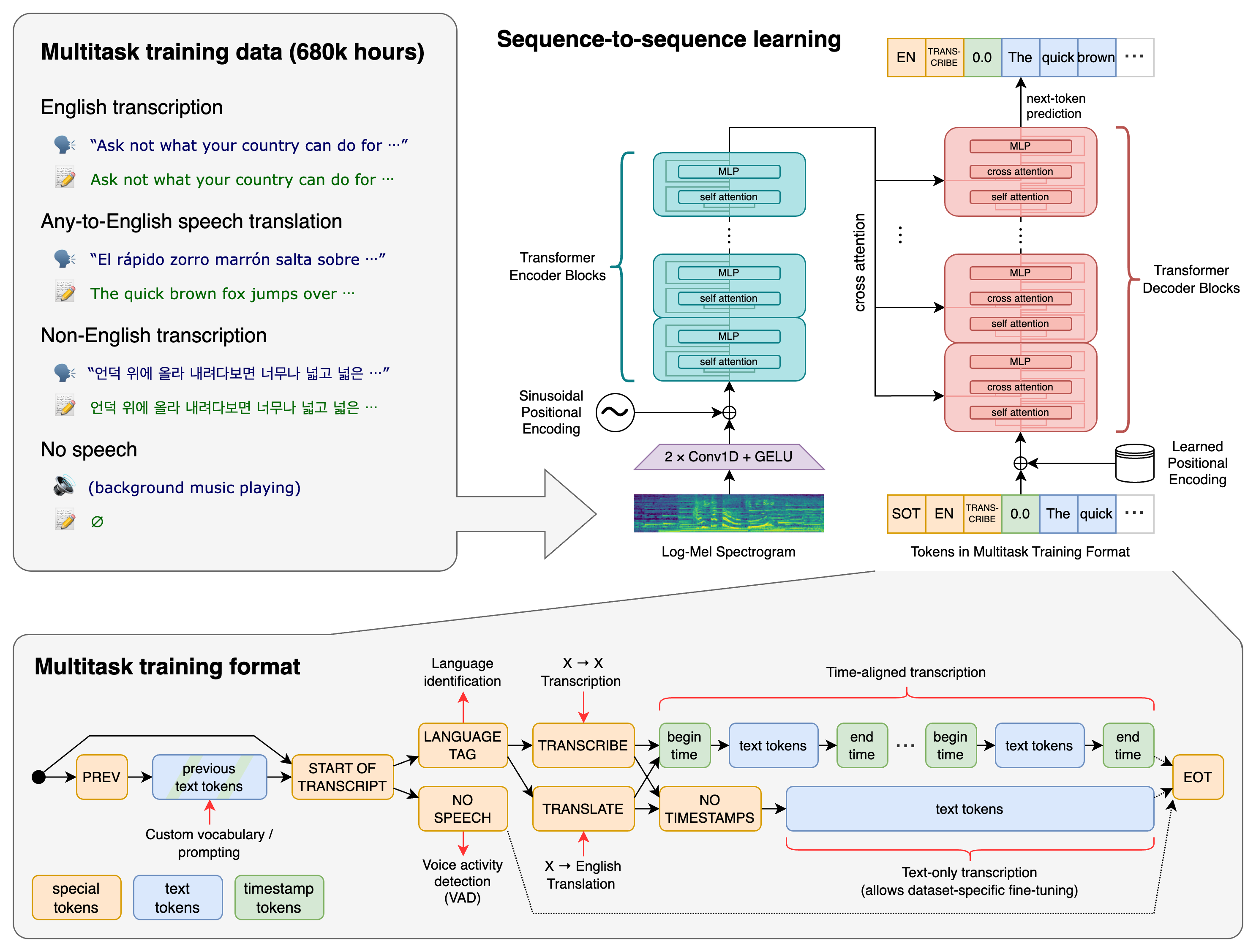
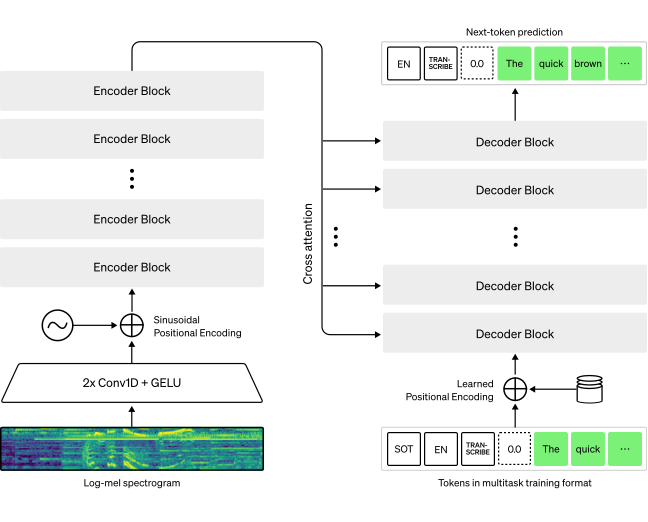
OpenAI's move arrives as the audio AI sector experiences rapid consolidation and innovation. Whisper's architecture already demonstrates how large-scale training on diverse audio data can produce models that generalize well across accents, background noise, and technical audio quality. A successor model could push these boundaries further.
Competitors aren't standing still. Google's audio models, Meta's open-source initiatives, and specialized players like Voicegain are all advancing their own capabilities. The stakes are particularly high in enterprise applications, where accuracy, reliability, and integration ease directly impact adoption.
What This Means for Developers and Enterprises
For the developer community, a new OpenAI audio model could mean:
- Improved API offerings: Enhanced speech-to-text and potentially new audio capabilities through OpenAI's platform
- Better baseline performance: Developers may see reduced need for custom fine-tuning
- Expanded use cases: More sophisticated audio understanding could unlock applications currently impractical with existing models
Enterprises relying on audio AI for customer service, transcription, and accessibility should monitor this launch closely. The new model could shift the economics of audio processing and influence technology selection decisions.
The Broader Context
Audio AI remains one of the last major frontiers for large language models and multimodal systems. While text and vision have dominated recent AI headlines, voice and audio understanding represent an underexploited opportunity. A successful new audio model from OpenAI could accelerate adoption across industries and establish new standards for what's possible in speech processing.
The Q1 2026 launch window also suggests OpenAI is balancing ambition with pragmatism—giving the team sufficient time to build, test, and validate before release. This measured approach contrasts with the rapid iteration cycles seen in other AI domains.
Looking Ahead
The announcement of a new audio model is less about revolutionary capability and more about evolutionary progress. OpenAI is signaling that audio AI remains a priority, and that the company intends to maintain its position as a leader in this space. Whether the new model delivers meaningful advantages over existing solutions will ultimately determine its impact on the market.
For now, the audio AI community waits. The real test comes in Q1 2026.