
ChatGPT's 17% Search Market Share Signals a Seismic Shift in AI Competition
ChatGPT has captured 17% of the search market, emerging as a genuine threat to Google's dominance. But what does this mean for the future of search, and can OpenAI sustain this momentum?
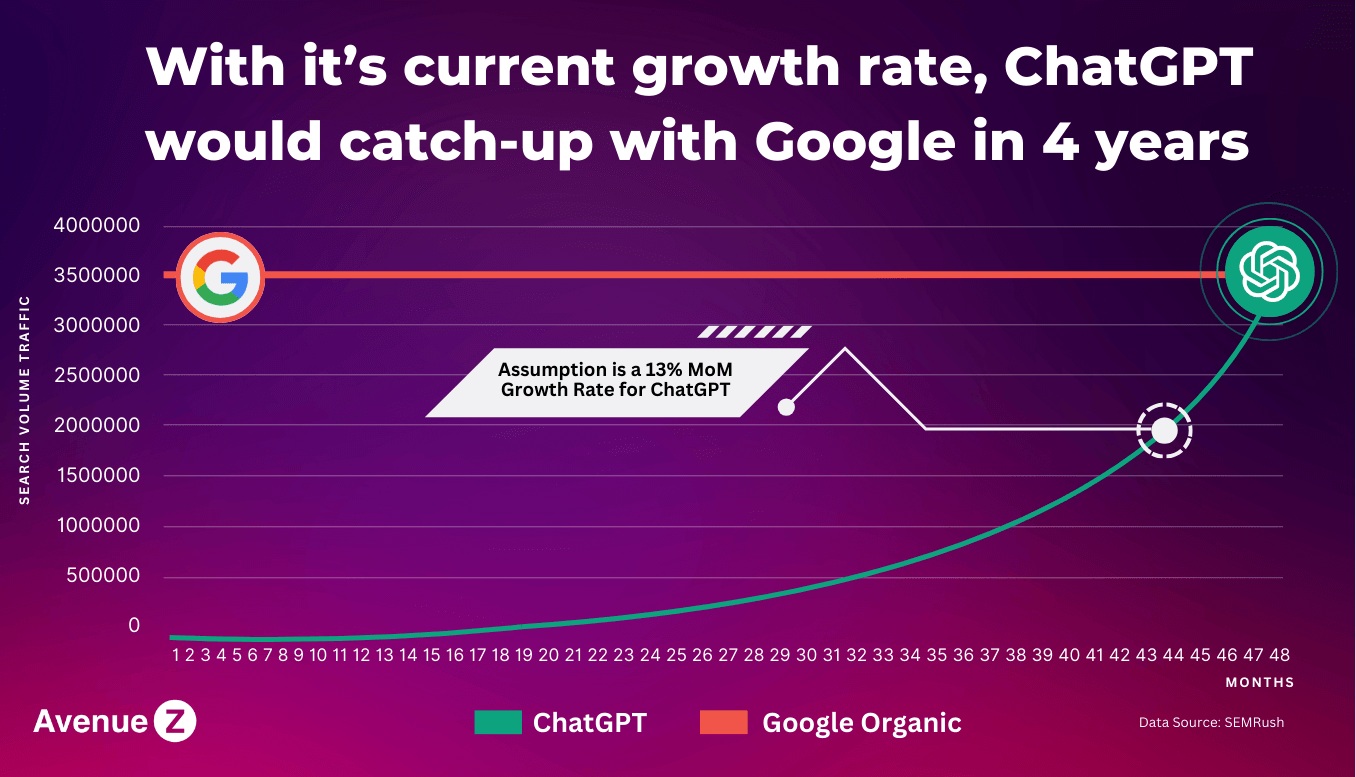
The Search Market Awakens to Competition
For nearly three decades, Google has reigned unchallenged as the default gateway to the internet. But the landscape is shifting. ChatGPT has now captured 17% of the search market, according to recent market analysis, marking a watershed moment in how users discover and consume information online. This isn't merely a statistical blip—it represents a fundamental change in user behavior and a credible challenge to the search paradigm that has defined the digital era.
The significance of this shift cannot be overstated. While Google still commands the overwhelming majority of search traffic, the emergence of ChatGPT as a viable alternative signals that users are increasingly willing to abandon traditional search interfaces for conversational AI. The question is no longer whether AI-powered search can compete, but whether it will continue to erode Google's market position.
Understanding the Market Dynamics
The rise of ChatGPT's search capabilities reflects broader trends in how users interact with information. According to comprehensive market analysis, ChatGPT users have grown exponentially, with millions adopting the platform for everything from research to creative problem-solving. This user base now represents a tangible threat to traditional search engines.
Several factors explain this shift:
- Conversational Interface: Users prefer natural language interactions over keyword-based queries
- Contextual Answers: ChatGPT provides synthesized responses rather than ranked links
- Reduced Friction: No need to parse multiple search results or visit multiple websites
- AI-Powered Insights: The model generates original analysis and connections between concepts
The growth trajectory is particularly striking when examined against historical search adoption patterns. ChatGPT reached this market share milestone far faster than any previous search alternative, suggesting a genuine shift in user preferences rather than a temporary trend.
The Competitive Landscape in 2026
Industry analysts are divided on what comes next. Some research suggests that 2026 could be a pivotal year for AI stocks, with potential headwinds for companies like OpenAI and Nvidia, while Google may benefit from market consolidation. This counterintuitive prediction reflects concerns about sustainability and profitability in the AI search space.
However, the momentum is undeniable. ChatGPT's growth in search capabilities is part of a broader expansion of its user base and feature set, with OpenAI continuously refining its search functionality to compete directly with Google's core offering.
What This Means for the Future
The 17% market share figure represents a critical inflection point. Google's response will likely determine whether this becomes a sustained competitive threat or a temporary disruption. The search giant has already launched its own AI-powered search features, signaling that it takes the competition seriously.
For users, this competition is beneficial. The trajectory of AI development suggests that search will become increasingly sophisticated, personalized, and integrated with broader AI capabilities. The days of simple keyword matching are fading.
The real question isn't whether ChatGPT will maintain its 17% share, but whether this represents the beginning of a fundamental restructuring of how people access information online. If it does, the implications for Google, OpenAI, and the entire digital ecosystem will be profound.


