
Kling 2.6 Motion Control: Advanced Video Generation Precision
Kling 2.6 introduces sophisticated motion control capabilities that enable creators to direct camera movements, object trajectories, and dynamic effects with unprecedented precision in AI-generated video content.
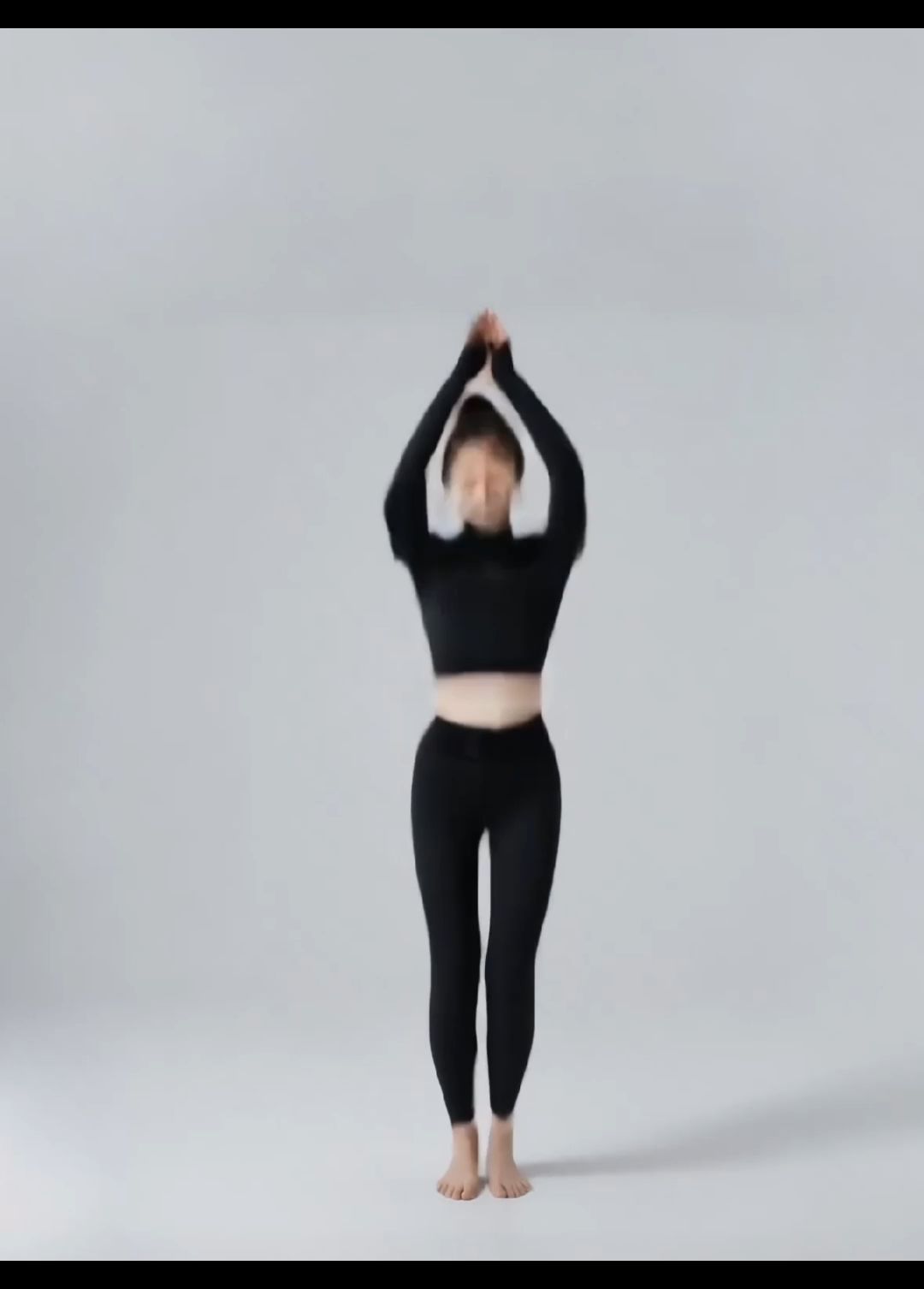
Kling 2.6 Motion Control: Advanced Video Generation Precision
Kling 2.6 represents a significant leap forward in AI video generation technology, introducing granular motion control features that empower creators to orchestrate complex camera movements and object dynamics with frame-level accuracy. The platform's enhanced motion control system transforms how creators approach video synthesis, moving beyond simple prompt-based generation to enable precise directorial control.
What Is Motion Control in Kling 2.6?
Motion control in Kling 2.6 allows creators to specify exact movement parameters within generated videos. Rather than relying solely on text descriptions, users can now define:
- Camera trajectories — Pan, zoom, and dolly movements with customizable speed and direction
- Object motion paths — Define how subjects move through the frame with spatial precision
- Dynamic effects timing — Control when and how visual effects occur within the sequence
- Velocity parameters — Adjust acceleration and deceleration for natural-looking motion
This granular control system bridges the gap between traditional video production and AI-assisted content creation, enabling creators to achieve specific artistic visions without extensive manual post-processing.
Technical Capabilities
The motion control framework operates through an intuitive interface that accepts both visual and parametric inputs. Creators can sketch motion paths directly, specify numerical values for movement parameters, or combine both approaches for maximum flexibility.
Key technical features include:
- Multi-layer motion composition — Layer multiple motion parameters simultaneously without conflicts
- Real-time preview — Visualize motion paths before final generation to reduce iteration cycles
- Keyframe precision — Set exact motion states at specific frames for predictable results
- Physics-based simulation — Apply realistic acceleration and momentum to generated movements
The system maintains consistency across extended sequences, ensuring that motion parameters remain stable and coherent throughout longer video clips.
Practical Applications
Motion control opens new possibilities across multiple creative domains:
Commercial Production — Brands can generate product showcase videos with precise camera movements that highlight specific features without costly equipment or location shoots.
Content Creation — Social media creators gain the ability to produce dynamic, cinematic content with consistent motion language that matches their brand aesthetic.
Visual Effects — Designers can prototype complex motion sequences rapidly, testing multiple variations before committing to final renders.
Storyboarding — Filmmakers use motion control to visualize directorial intent, communicating camera movements and blocking to production teams with clarity.
Integration and Workflow
Kling 2.6's motion control integrates seamlessly into existing creative workflows. The platform supports standard video editing formats and exports, allowing creators to incorporate AI-generated sequences with motion control into larger projects using familiar tools.
The interface prioritizes accessibility without sacrificing power—novice users can achieve professional results through guided presets, while advanced creators access detailed parameter controls for bespoke applications.
Performance and Reliability
The motion control system demonstrates consistent performance across various motion complexity levels. Rendering times remain competitive with previous versions despite the added computational demands of precise motion calculation and validation.
Kling 2.6 maintains quality fidelity even with complex, multi-layered motion parameters, avoiding the artifacts or instability that sometimes plague motion-heavy AI video generation.
Looking Forward
Motion control represents a fundamental shift in how creators interact with AI video generation tools. By enabling precise directorial control, Kling 2.6 positions itself as a serious tool for professional and semi-professional production workflows, not merely a novelty application.
The technology suggests a future where AI video generation becomes a standard component of production pipelines, valued for its speed and precision rather than viewed as a replacement for traditional methods.
Key Sources
- Kling AI official documentation and platform announcements regarding Kling 2.6 feature releases
- Technical specifications from Kling's motion control system documentation
- Industry analysis of AI video generation capabilities and motion control implementations


