
Nvidia and AMD Tighten AI Chip Export Controls to China Amid Geopolitical Tensions
Nvidia and AMD are implementing stricter sales restrictions on advanced AI chips destined for the Chinese market, reflecting escalating U.S. export controls and geopolitical competition in semiconductor technology.
Nvidia and AMD Tighten AI Chip Export Controls to China Amid Geopolitical Tensions
Nvidia and AMD are moving to restrict sales of their most advanced artificial intelligence chips to the Chinese market, a significant development that underscores the intensifying geopolitical competition over semiconductor technology. The restrictions reflect broader U.S. government export control policies designed to limit China's access to cutting-edge computing capabilities essential for AI development.
The Strategic Context
The semiconductor industry has become a critical battleground in U.S.-China relations. Advanced AI chips—particularly those used for training large language models and running complex machine learning workloads—represent some of the most strategically sensitive technology in the global marketplace. Both Nvidia and AMD dominate the high-performance GPU market, making their export decisions consequential for global AI infrastructure development.
These restrictions are not occurring in a vacuum. The U.S. Department of Commerce has progressively tightened export controls on advanced semiconductors through multiple regulatory frameworks, including the Foreign Direct Product Rule and Entity List designations. Nvidia has already faced significant revenue impacts from previous restrictions, with the company reporting substantial declines in China-related sales in recent quarters.
Impact on Market Dynamics
The move to limit AI chip sales to China creates several ripple effects:
- Market Segmentation: The global AI chip market faces further fragmentation, with Chinese companies increasingly forced to develop domestic alternatives or rely on less advanced imported technology
- Competitive Pressure: AMD and Nvidia must navigate complex compliance requirements while maintaining profitability, potentially affecting their overall business strategies
- Supply Chain Realignment: Technology companies worldwide may need to reassess their supply chains and manufacturing partnerships to comply with export restrictions
- Innovation Implications: Restricted access to advanced chips could slow AI development in China, though domestic efforts like Huawei's Ascend processors and other homegrown solutions continue advancing
Technical Considerations
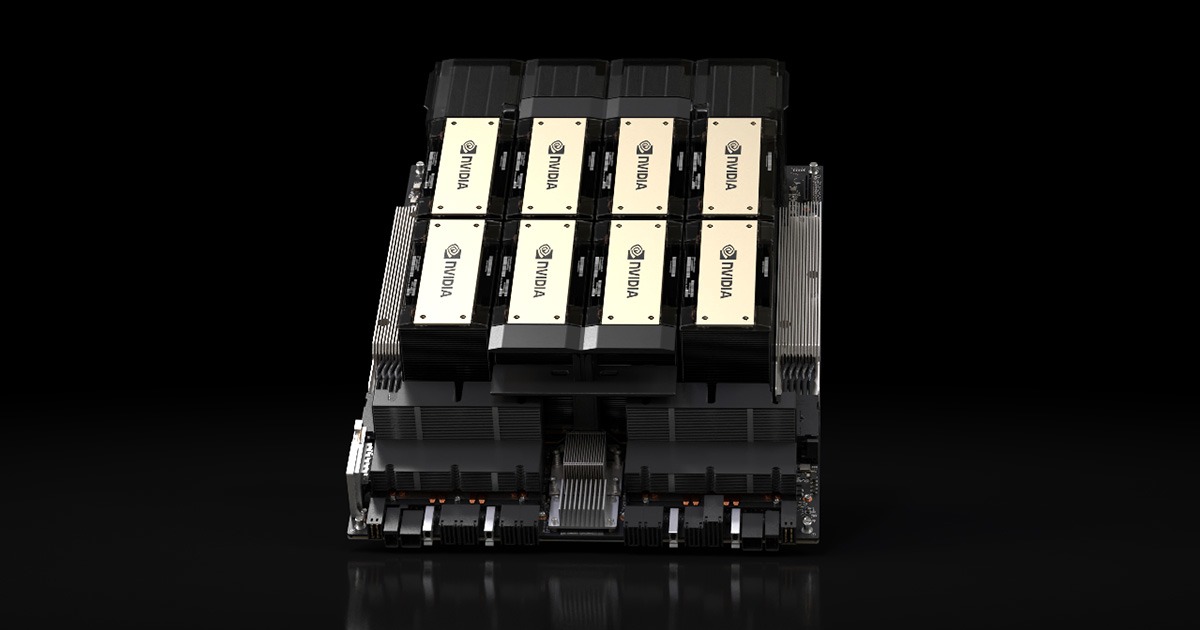
The restrictions typically target chips with specific performance thresholds—measured in computational power, memory bandwidth, and interconnect capabilities. Nvidia's H200 and similar enterprise-grade accelerators fall squarely within restricted categories due to their exceptional performance characteristics for AI workloads. These chips feature advanced architectures optimized for transformer models and large-scale distributed training.
AMD's EPYC processors and MI-series accelerators similarly face export limitations, particularly as their performance metrics approach or exceed regulatory thresholds. The technical specifications that make these chips valuable for legitimate AI research and deployment also make them subject to national security scrutiny.
Looking Forward
The semiconductor export control landscape continues evolving. Both companies must balance compliance obligations with business considerations, including potential revenue losses and competitive positioning. The restrictions may accelerate Chinese semiconductor development efforts while creating opportunities for alternative suppliers in allied nations.
Industry observers expect these controls to remain in place or potentially tighten further, depending on geopolitical developments and U.S. policy decisions. Companies operating in this space must maintain sophisticated compliance programs and stay informed about regulatory changes.
Key Sources
- U.S. Department of Commerce Bureau of Industry and Security export control regulations
- Nvidia and AMD investor relations disclosures regarding China revenue and export restrictions
- Industry analysis on semiconductor supply chain impacts and geopolitical implications


