
Physical AI Takes Center Stage at CES 2026: The Race for Embodied Intelligence Heats Up
CES 2026 marks a pivotal moment as physical AI—robots and embodied systems—emerge as the defining battleground for tech dominance. Major players are converging on Las Vegas to showcase breakthroughs in robotics, autonomous systems, and real-world AI applications that could reshape industries.
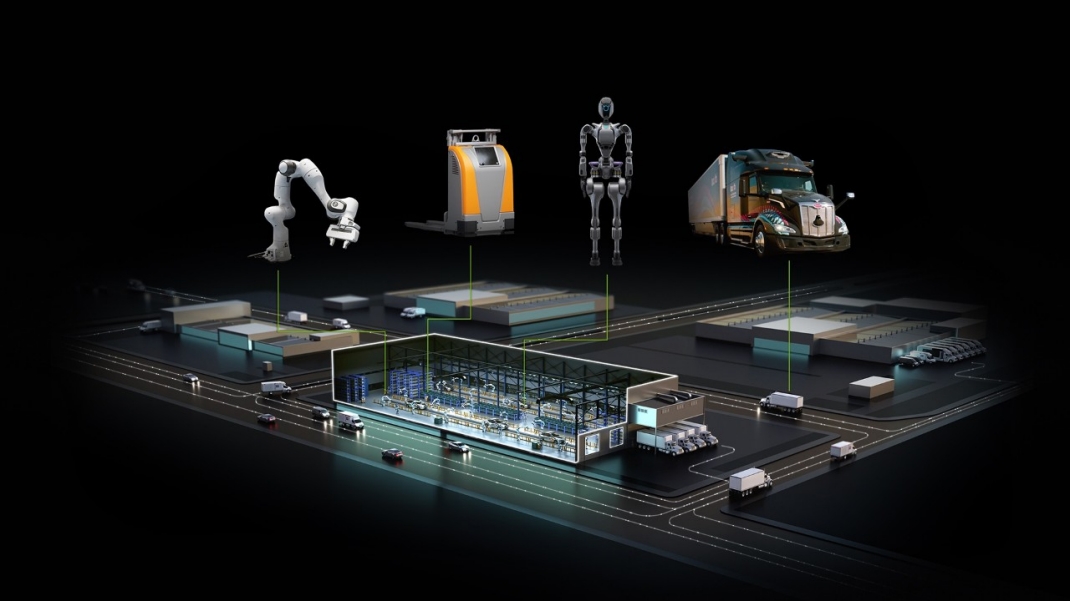
The Shift from Digital to Physical
The artificial intelligence landscape is undergoing a fundamental transformation. While large language models dominated headlines for the past two years, the conversation at CES 2026 has shifted decisively toward physical AI—systems that perceive, reason, and act in the real world. According to industry analysis, this represents the next frontier in AI development, where embodied intelligence becomes as critical as raw computational power.
This pivot matters because digital AI, however sophisticated, remains constrained to screens and servers. Physical AI breaks those boundaries. Robots that can manipulate objects, navigate unpredictable environments, and adapt to real-world constraints represent a qualitatively different challenge—and opportunity.
What's Actually on Display
CES 2026 will feature roboticists and hardware innovators showcasing practical applications across manufacturing, logistics, healthcare, and consumer sectors. The event isn't just about flashy demos; it's about systems designed to solve tangible problems.
Key focus areas include:
- Humanoid robotics: Bipedal systems capable of performing tasks in human-designed spaces
- Autonomous manipulation: Robotic arms and hands with dexterous control and sensory feedback
- Multi-modal perception: Vision, touch, and spatial reasoning integrated into unified systems
- Real-time adaptation: AI models that learn and adjust to novel environments without retraining
NVIDIA's keynote presentation is expected to emphasize the computational infrastructure enabling these advances, particularly how GPUs and specialized AI chips accelerate physical reasoning and real-time decision-making.
The Competitive Landscape
This isn't a single-company story. According to CES organizers, the show will feature competing visions from established tech giants, robotics startups, and international manufacturers. The stakes are enormous: whoever cracks scalable, cost-effective physical AI could dominate trillion-dollar markets in logistics, manufacturing, and service industries.
The competition extends beyond hardware. Software frameworks, simulation environments, and training datasets are equally critical. Companies are racing to establish standards and lock in ecosystem advantages before the market consolidates.
Market Implications
Financial analysts tracking the sector note that successful physical AI deployment could accelerate automation timelines by years. This creates both opportunities and risks—for investors betting on robotics companies, and for workers in industries facing rapid displacement.
The technology also raises important questions about safety, regulation, and economic distribution that extend far beyond the conference floor.
Why This Moment Matters
CES 2026 represents an inflection point. Physical AI has moved from research labs and specialized applications into mainstream commercial focus. The breakthroughs in neural networks, sensor technology, and real-time computing have converged to make embodied AI economically viable at scale.
What happens in Las Vegas this week will likely shape investment flows, regulatory frameworks, and technological priorities for the next five years. The companies that effectively demonstrate physical AI capabilities won't just win market share—they'll define the trajectory of automation itself.


