
xAI's $1.46 Billion Quarterly Loss Exposes the Cost of AI Infrastructure Ambitions
Elon Musk's xAI reported a staggering $1.46 billion quarterly loss as spending on AI infrastructure surges. The startup burned through $8 billion in cash during the first nine months of 2025, raising questions about the path to profitability.
The Price of Competing in AI's Infrastructure Arms Race
The artificial intelligence industry's capital intensity just got a stark reality check. Elon Musk's xAI reported a $1.46 billion quarterly loss as the startup aggressively scales its computational infrastructure to compete with OpenAI, Google, and other AI heavyweights. The losses underscore a brutal truth in the AI sector: building world-class models requires massive capital expenditure before any revenue materializes.
According to Bloomberg reporting via Investing.com, xAI burned approximately $8 billion in cash during the first nine months of 2025 alone. This spending trajectory reveals the scale of infrastructure buildout required to remain competitive in generative AI development.
Infrastructure Spending Drives Losses
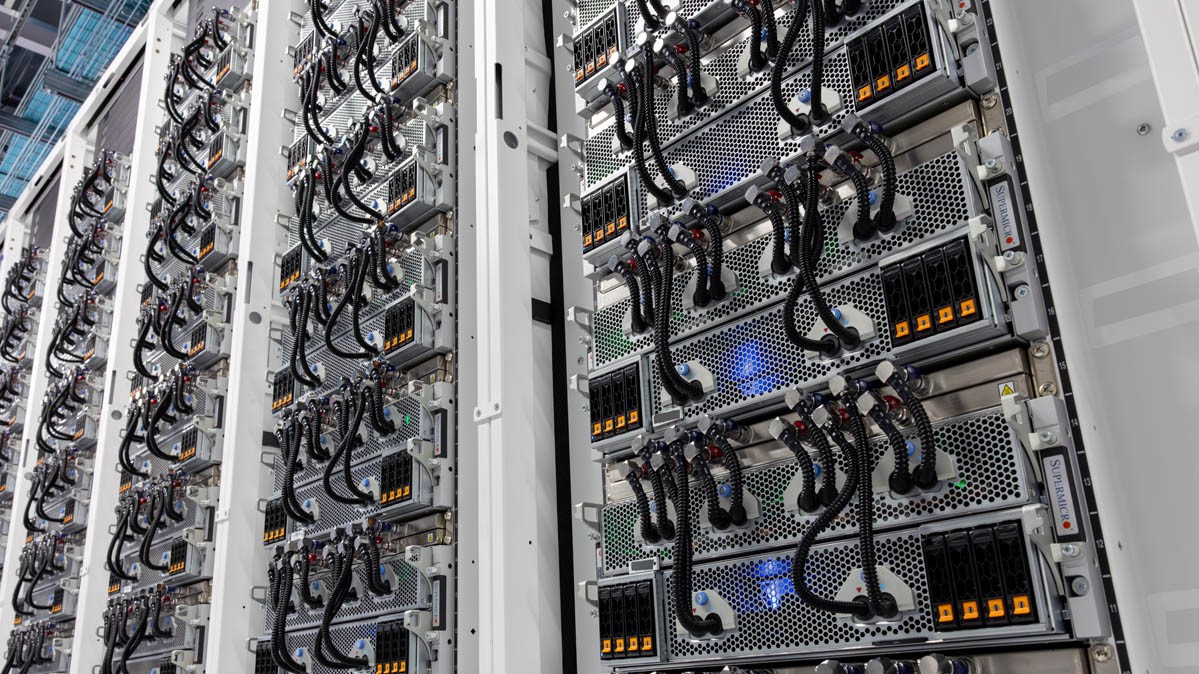
The quarterly loss reflects a deliberate strategic choice: prioritize computational capacity over near-term profitability. xAI's spending on AI infrastructure surged 87% year-over-year, with the company expanding its data center footprint and GPU clusters to support model training and inference.
Key drivers of xAI's capital intensity include:
- GPU acquisition and deployment: Securing and deploying thousands of high-end GPUs for training and inference
- Data center construction: Building specialized facilities to house computational infrastructure
- Power infrastructure: Establishing reliable, high-capacity power systems to support energy-intensive operations
- Talent acquisition: Recruiting top-tier AI researchers and engineers at premium compensation levels
The company is reportedly considering a second data center and exploring a $5 billion Dell server deal, signaling continued aggressive expansion despite current losses.
The Broader Context: Betting on Future Dominance
xAI's financial trajectory mirrors a broader pattern in AI development: companies are willing to absorb massive losses to establish technological leadership and market position. The assumption underlying this strategy is that early-mover advantages in model capability and infrastructure will translate to revenue opportunities through API services, enterprise licensing, and consumer products.
According to market analysis, xAI's record losses reflect not operational inefficiency but rather a deliberate capital allocation strategy. The company is essentially betting that its current infrastructure investments will enable competitive advantages that justify future monetization.
The Optimus Wildcard
Musk has positioned xAI's humanoid robot project, Optimus, as a potential revenue driver that could eventually offset AI infrastructure costs. However, this remains speculative—the robotics market has historically struggled to achieve the scale and margins necessary to justify massive upfront R&D investments.
The Sustainability Question
While xAI's losses are substantial, the critical question isn't whether the company is losing money—it's whether the infrastructure investments will generate sufficient returns. The AI industry has demonstrated that capital-intensive approaches can work, but only if the resulting models achieve genuine competitive advantages and find paying customers.
The $1.46 billion quarterly loss is not a failure signal; it's a statement of intent. Whether that intent translates to sustainable business success remains an open question.


